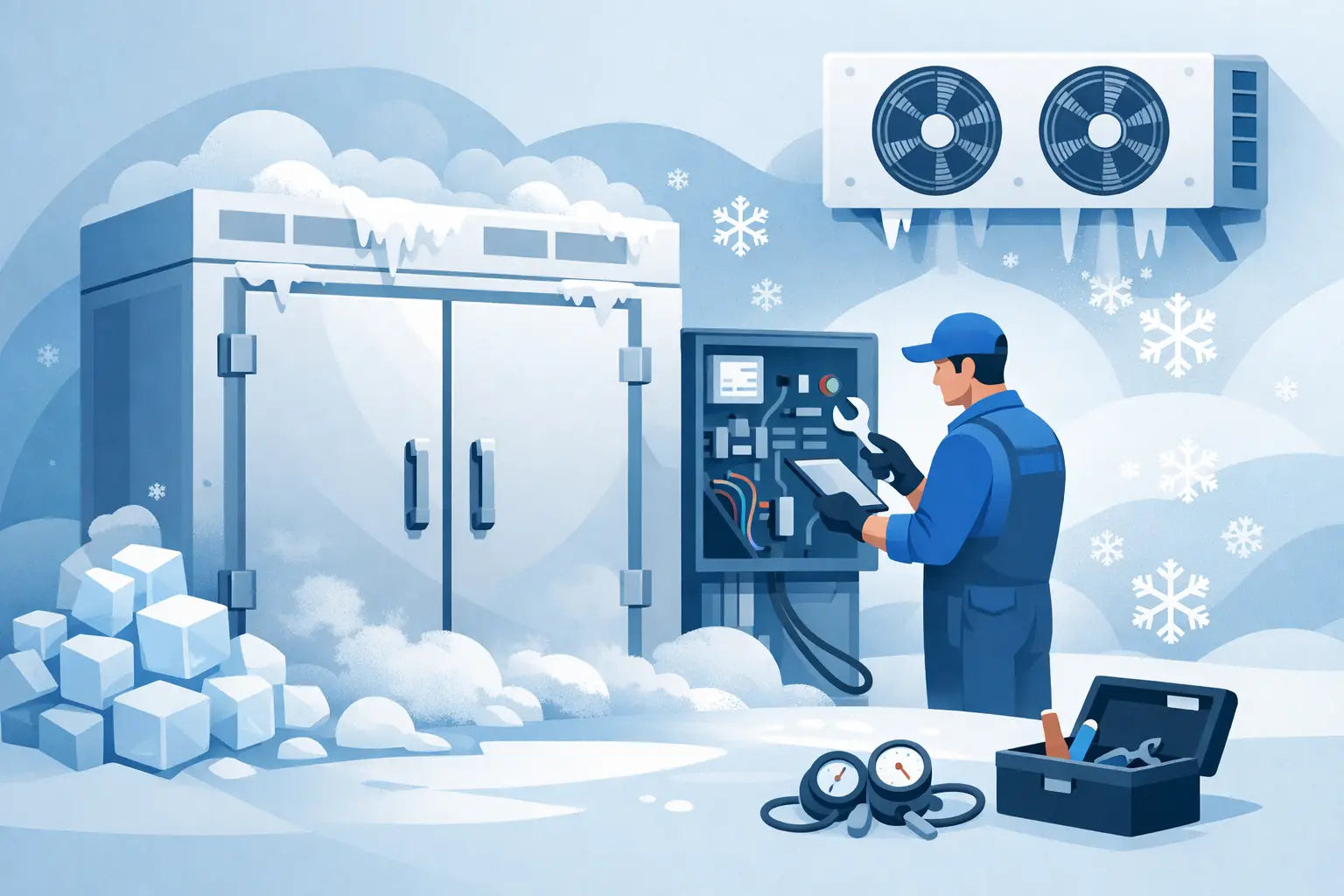
How to Maintain Blast Freezers Properly
A blast freezer that starts missing pull-down times rarely fails all at once. More often, performance slips in small ways first - longer cycles, uneven freezing, frost buildup, louder operation, or product that does not finish at the expected core temperature. If you are asking how to maintain blast freezers, the real goal is not just cleanliness. It is protecting food safety, preserving speed, and keeping your kitchen running at the level your service demands.
Blast freezers are built for precision. They remove heat fast, reduce ice crystal formation, and help maintain product quality from prep to storage. That performance depends on routine care. A neglected unit can still run, but it will run harder, use more energy, and deliver less consistent results. In a commercial kitchen, that trade-off gets expensive quickly.
Why blast freezer maintenance matters
Unlike standard freezers, blast freezers are designed around rapid temperature reduction. That means airflow, door seals, evaporator condition, condenser cleanliness, and loading habits all matter more than operators sometimes expect. When one part of the system is compromised, the machine may still cool, but not with the speed or precision it was built to deliver.
For restaurants, bakeries, commissaries, and catering operations, that affects more than utility bills. It can shorten shelf life, weaken product texture, and create food safety risk if chilling cycles no longer hit target times. For serious home cooks investing in professional-grade equipment, poor maintenance means paying for performance you are no longer getting.
How to maintain blast freezers without cutting corners
The most effective maintenance routine is simple, consistent, and built into normal operations. You do not need a complicated checklist every day, but you do need disciplined habits.
Clean the interior on a schedule you can actually keep
Interior cleaning should happen often enough to prevent residue, spills, and odor transfer from building up. In high-volume kitchens, that may mean daily wipe-downs and a deeper weekly clean. In lower-use settings, the schedule can be lighter, but it should never become occasional.
Use a food-safe cleaner approved for refrigerated equipment, and avoid harsh chemicals that can damage stainless surfaces or leave behind strong residue. Remove racks or trays if possible, clean corners and drain areas thoroughly, and dry surfaces before restarting full operation. Moisture left behind can turn into frost, and frost interferes with airflow.
This is also the moment to look for warning signs. Cracked liners, standing water, unusual ice accumulation, or food debris near sensors should be addressed early. Small problems inside the cabinet often point to larger performance issues developing elsewhere.
Protect airflow at all times
Blast freezing depends on moving very cold air quickly and evenly around the product. If vents are blocked, trays are overloaded, or pans are stacked too tightly, the unit cannot perform as designed. Operators sometimes mistake this for a refrigeration issue when it is really a loading issue.
Leave enough space between items for air to circulate. Do not push product against interior walls or fan outlets. Follow the manufacturer’s pan capacity and spacing guidance, especially during peak production. Overloading may feel efficient in the moment, but it usually lengthens cycles and reduces consistency across the batch.
Airflow around the outside of the machine matters too. If the condenser section does not have adequate clearance, heat removal becomes less efficient. That can drive up compressor strain and reduce overall performance.
Keep the condenser coil clean
If there is one maintenance step that directly affects efficiency and equipment life, it is condenser coil cleaning. Dust, grease, flour, and airborne kitchen debris collect on the coil faster than many operators realize. Once buildup starts, the unit has to work harder to reject heat.
In a clean, low-grease environment, coils may only need attention every few months. In a busy commercial kitchen with flour, fryer vapor, or heavy airborne particles, monthly inspection is a safer standard. Some operations need it even more often.
Turn off power before cleaning. Use a soft brush, vacuum, or coil-safe cleaning method recommended for the unit. Do not bend fins or force debris deeper into the coil. If the condenser is difficult to access or heavily soiled, it is worth having a qualified technician handle it. This is a good example of where cutting maintenance corners can create a larger repair bill later.
Check door gaskets before they become a repair issue
Door gaskets are easy to ignore because they fail gradually. A worn seal can let warm air into the cabinet, create excess frost, extend cycle times, and force the refrigeration system to compensate. The machine may still appear functional while operating far below its intended standard.
Inspect gaskets regularly for cracks, brittleness, gaps, or areas that no longer seat tightly. Clean them gently so grease and debris do not prevent a full seal. If a gasket is damaged, replace it promptly. This is one of the most cost-effective ways to preserve blast freezer performance.
Pay attention to how staff use the door as well. Repeated slamming, propping the door open, or dragging pans across the gasket edge shortens seal life. Good maintenance includes equipment handling habits, not just cleaning.
Manage frost and drainage proactively
Some frost is not unusual, but recurring or excessive frost points to a problem. It may be caused by frequent door openings, poor gasket sealing, warm product loads beyond the machine’s intended capacity, or moisture left in the cabinet after cleaning. When frost builds up on evaporator surfaces or around airflow paths, performance drops.
Drain lines should also stay clear. If water cannot exit properly during defrost or cleaning cycles, it can pool, refreeze, and contribute to interior ice issues. Check that drains are unobstructed and cleaned as part of routine maintenance. If your unit repeatedly develops ice in the same area, do not treat that as cosmetic. It usually means the system needs attention.
Watch temperatures, cycle times, and noise
One of the best maintenance habits is simply paying attention. A blast freezer often tells you something is wrong before it stops working. If product is taking longer than normal to reach target temperature, if the unit sounds louder, if the compressor runs longer, or if ice is forming in unusual places, those are operational signals.
Keep a simple record of cycle performance, especially in commercial settings where multiple staff members use the equipment. You do not need a complex log, but baseline times and temperatures make it easier to catch a decline early. Without that baseline, teams tend to normalize gradual performance loss.
This matters because refrigeration problems are cheaper to fix at the symptom stage than after a full failure. A fan motor, sensor issue, or dirty condenser is manageable. A burned-out compressor during peak production is not.
Train staff on correct use
Maintenance is not only a facilities task. In most kitchens, day-to-day equipment life is shaped by operators. If staff do not understand loading limits, door discipline, cooling goals, or cleaning procedures, even a premium blast freezer will underperform.
Training should cover what the unit is for, how to load it, how to clean it, what signs to report, and what not to do. That includes avoiding hot, uncovered liquid spills, not using sharp tools to chip away ice, and not storing items in a way that blocks internal circulation. Serious performance depends on consistent use.
For mixed-use environments, especially operations balancing prep, storage, and service pressure, this is where reliability is won or lost. Equipment built for professional output still needs professional habits around it.
Know when to call for service
There is a point where maintenance becomes technical service. If the unit is struggling to pull down temperature, short-cycling, leaking refrigerant, showing control errors, or developing repeated frost despite proper cleaning and loading, it is time for a qualified technician.
Trying to solve refrigeration faults with guesswork often leads to more downtime. A planned service call is usually faster and less costly than waiting for a complete shutdown. For operators who rely on blast freezing to protect prep schedules and food quality, that timing matters.
A good rule is simple: if the issue affects temperature accuracy, cycle speed, or system behavior beyond routine cleaning and inspection, escalate it. Precision equipment deserves precise support.
Build a maintenance routine around your volume
There is no single perfect maintenance calendar because usage varies. A restaurant running daily prep and batch chilling will need more frequent attention than a small test kitchen or serious home setup. The right schedule depends on load volume, menu style, airborne grease or flour, and how often the door opens.
What does not change is the principle. Clean consistently, preserve airflow, inspect seals, monitor frost, and respond to small changes before they become operational failures. That is how to maintain blast freezers in a way that protects both the machine and the product coming out of it.
For kitchens that care about speed, safety, and consistency, maintenance is not a side task. It is part of performance. Treat your blast freezer like the precision tool it is, and it will keep delivering the cold-chain control your operation depends on.