Undercounter Refrigerator Space Saving That Works
A crowded cook line rarely needs more equipment. It needs equipment placed with purpose. Undercounter refrigerator space saving is not simply about fitting cold storage beneath a worktop. Done correctly, it puts high-use ingredients within arm’s reach, protects food quality during service, and frees valuable vertical space for prep, cooking, or plating.
For restaurants, bars, cafés, food trucks, and serious home kitchens, an undercounter unit can turn an overlooked footprint into a productive refrigerated station. The right choice depends on more than exterior width. Capacity, door configuration, ventilation, clearance, workflow, and service access all determine whether the refrigerator improves performance or creates a daily bottleneck.
Why Undercounter Refrigeration Saves More Than Floor Space
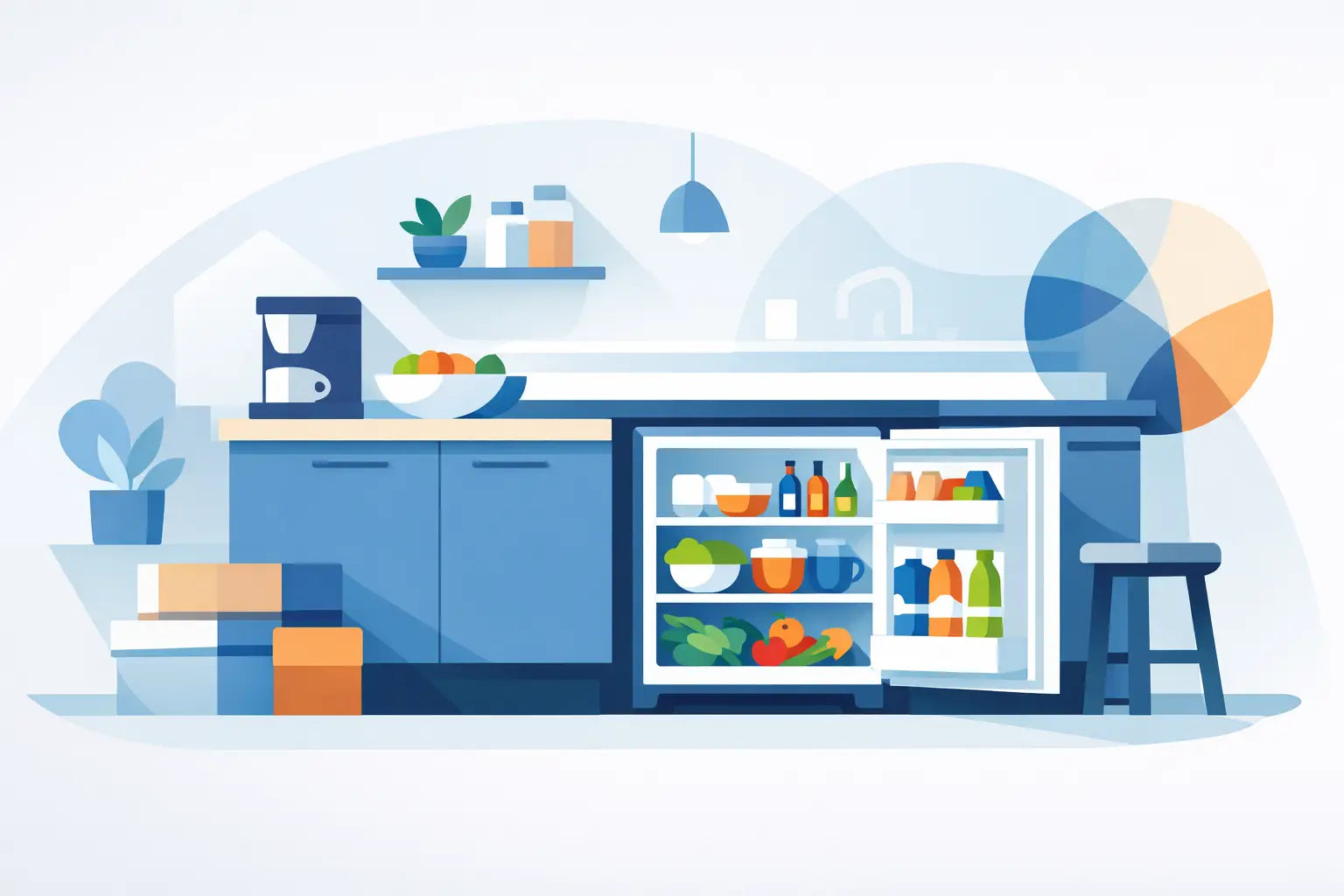
Reach-in refrigerators are essential for bulk storage, but they can consume a large section of wall space and require staff to step away from the station to retrieve ingredients. An undercounter refrigerator brings frequently used product closer to the work. A pizza station can hold cheese, sauce, and toppings below the prep surface. A grill line can keep proteins and garnishes near the cook. A bar can store mixers, bottled beverages, and backup product directly beneath the counter.
This reduction in movement matters during peak periods. Fewer steps can help staff plate faster, keep station organization tighter, and reduce the chance that perishable items sit out too long. It also helps kitchens preserve open floor area for traffic flow, carts, dish handling, and safe movement around hot equipment.
The most productive layouts treat undercounter refrigeration as part of the station, not as an extra appliance added after the kitchen is built. The worktop above it should support a task, while the refrigerated cabinet below supports the ingredients that task requires.
Start With the Station, Not the Cabinet
Before comparing models, identify what the operator needs to reach during a typical 15-minute rush. This is the fastest way to determine the right location and configuration.
A sandwich or salad station benefits from refrigerated pan storage and a broad prep surface. A prep cook working with bulk containers may need a standard undercounter refrigerator with adjustable shelves. A bartender may prioritize drawers or glass doors for quick product identification. A bakery or pastry operation may need tray-compatible storage close to the bench, while a compact home pizza setup may only require a small refrigerated base for dough and toppings.
Measure the available opening, but also measure the working zone around it. Account for door swing, drawer extension, nearby equipment handles, and the space needed for an employee to bend, load pans, and clean the area. A refrigerator that technically fits can still disrupt service if an open door blocks a main aisle.
Choose Dimensions That Protect Clearance and Capacity
Exterior dimensions are only the first checkpoint. Most undercounter refrigerators are available in compact one-door, two-door, and larger multi-section formats. A narrow unit may preserve aisle space, but it can force staff to restock more often or split ingredients across several locations. A wider model can consolidate product and add prep surface, yet it may occupy the exact area needed for a landing zone beside an oven, fryer, or range.
The best balance is usually the smallest unit that holds the station’s peak-service inventory with reasonable room for organized rotation. Do not size the cabinet only for a quiet shift. Consider the volume required before a lunch rush, dinner service, catered event, or weekend production period.
Interior layout deserves equal attention. Adjustable shelving is valuable when container sizes change, while drawers can keep portioned proteins, vegetables, or mise en place organized by item. Doors generally offer flexible storage for pans and containers. Drawers improve separation and access, but they may provide less flexibility for oversized product. Neither option is universally better. Match the cabinet to the product format and the pace of service.
Account for Ventilation Requirements
Undercounter refrigerator space saving fails when installation ignores airflow. Refrigeration systems need adequate clearance to reject heat and maintain stable temperatures. Some units are designed for front ventilation, making them better suited to built-in counter runs. Others require side, rear, or top clearance that can limit placement.
Always review the manufacturer’s installation requirements before finalizing cabinetry or positioning equipment. Blocking vents can make the compressor work harder, raise energy use, reduce temperature recovery, and shorten equipment life. In a commercial kitchen, it can also create service problems at the worst possible time.
Do not treat clearance as wasted space. It is part of the refrigerator’s operating footprint. A properly ventilated unit is more likely to maintain dependable food-safe temperatures under the heat and pressure of a busy line.
Build the Refrigerator Into a Faster Workflow
The strongest undercounter layouts follow the natural sequence of work: retrieve, prep, cook, finish, and serve. Refrigeration belongs where ingredients are handled, not where there happens to be an empty opening.
For cold prep, place the unit below the cutting, assembly, or portioning surface. For hot-line support, position it close enough to reduce travel but far enough from intense heat sources to protect efficiency and staff safety. For bar service, orient doors or drawers toward the bartender’s working position, not toward the guest side of the counter.
Keep raw and ready-to-eat ingredients separated by both storage zone and handling practice. An undercounter cabinet can make this easier when shelves or drawers are assigned clearly, labeled consistently, and loaded in a way that supports first-in, first-out rotation. Store the items used most often at the easiest-to-reach level. Reserve lower or rear areas for backup product, sealed containers, or less frequently used ingredients.
This organization also makes cleaning faster. When each drawer, shelf, or pan location has a defined role, employees can spot spills, missing labels, and depleted inventory before they become service problems.
Avoid the Common Space-Saving Mistakes
A compact footprint does not automatically mean an efficient refrigerator installation. The most common mistake is choosing a unit based only on width, then discovering that doors cannot open fully or the compressor cannot breathe. Another is placing refrigeration beneath a counter that has no practical prep purpose. The unit may save floor space, but it adds no speed.
Operators also underestimate the value of service access. Compressors, filters, gaskets, and drain components need routine attention. If the unit is boxed in so tightly that maintenance requires dismantling part of the line, minor upkeep becomes expensive downtime.
Watch for these four planning errors:
- Buying for listed cubic capacity without considering pan size, container shape, and actual usable shelf space.
- Installing the unit beside high-heat equipment without allowing for manufacturer-required clearance and added heat load.
- Using a shallow cabinet where staff need room for hotel pans, sheet pans, or bulk ingredient containers.
- Treating the top as generic counter space instead of assigning it to a defined prep, assembly, or beverage task.
When an Undercounter Unit Is the Right Answer
Undercounter refrigeration is especially effective in compact kitchens with a focused menu and repeatable station work. It is also a strong fit when a full-height refrigerator already handles bulk inventory and the line needs accessible working stock. In these situations, the undercounter unit becomes a performance tool: it protects temperature control while reducing unnecessary movement.
It may be less effective as the only refrigeration solution for a high-volume operation with broad menu demands. A small cabinet can become overloaded quickly, leading to poor air circulation, disorganized storage, and slower restocking. In that case, pair undercounter refrigeration with dedicated reach-in or walk-in storage rather than asking one unit to do every job.
For serious home cooks, the same principle applies. An undercounter refrigerator can support an outdoor kitchen, pizza station, basement bar, or entertaining area where trips back to the main kitchen interrupt the experience. The key is selecting commercial-grade equipment appropriate for the available electrical setup, ventilation conditions, and real volume of use.
Culinary Precisions helps buyers evaluate refrigeration around the realities of their kitchen: dimensions, workflow, ingredient capacity, and the performance expectations that come with daily service. The right unit does more than disappear beneath a counter. It keeps essential product cold, organized, and exactly where the next plate needs it.