Choosing an Outdoor Pizza Oven That Performs
A great outdoor pizza oven earns its footprint long before the first pie reaches the table. It creates a visible center of heat and hospitality, but for an operator, chef, or serious home cook, it must also produce: fast recovery between bakes, repeatable crust color, dependable construction, and a workflow that does not turn service into a bottleneck.
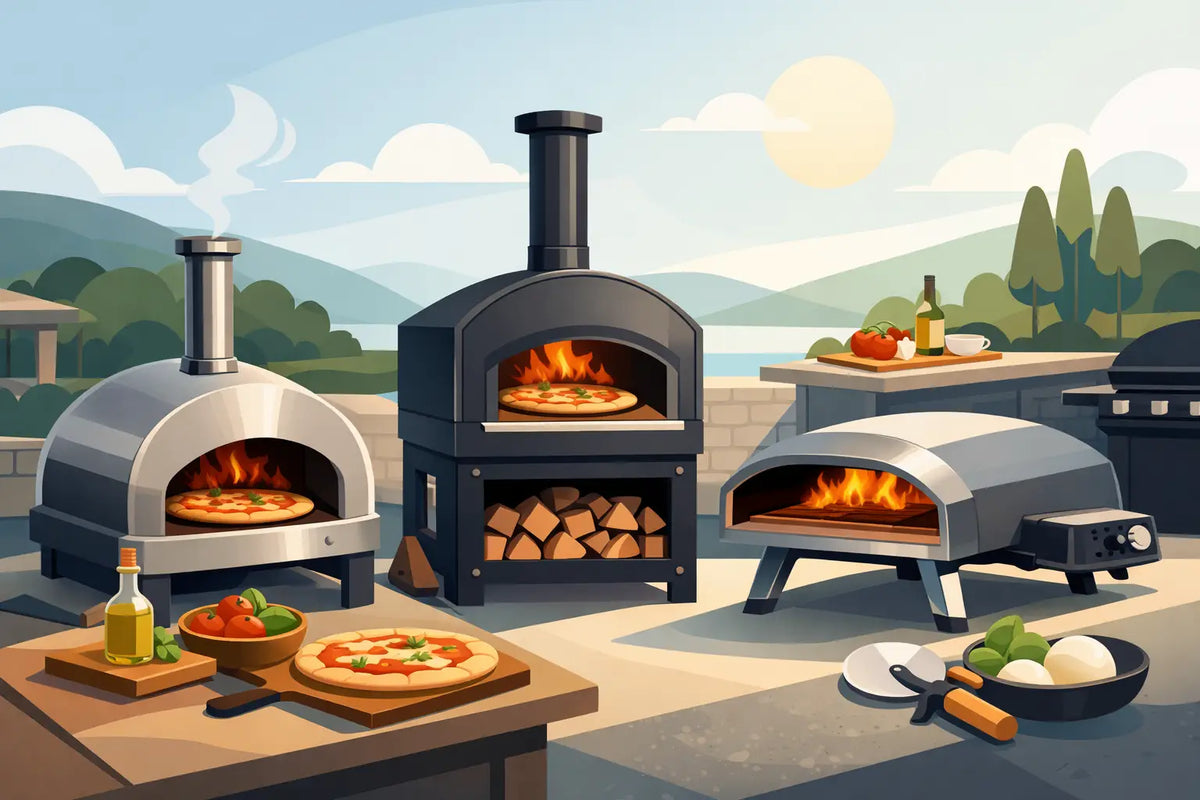
The right choice is rarely about chasing the highest advertised temperature. It is about matching heat source, chamber size, production demands, installation conditions, and the way guests will experience the space. A compact gas-fired oven may be the disciplined answer for a high-volume patio program. A wood-fired model may be the right expression for a chef-driven menu where flame, aroma, and theater belong at the center of the meal.
Start With the Service You Need to Support
Before comparing finishes, door styles, or peak temperatures, define the pace of your operation. A residential host making six pizzas over a leisurely evening needs something very different from a brewery kitchen serving forty pies during a ninety-minute rush.
Think in terms of the busiest hour, not the average day. How many pizzas must leave the oven? What diameter are they? Will the oven bake pizza exclusively, or will it also handle roasted vegetables, flatbreads, seafood, and cast-iron dishes between services? A larger deck creates room to work, but it also requires more fuel and more time to heat thoroughly.
For commercial patios, food halls, resorts, and event spaces, oven capacity has a direct relationship to labor. An oven that holds several pizzas at once can reduce the constant turning, shifting, and waiting that slows a small team. Yet capacity alone is not productivity. A well-designed hearth, clear access to the deck, responsive flame control, and enough recovery power after the door opens are what keep the rhythm intact.
For home installations, restraint can be a virtue. A smaller oven often heats faster, uses less fuel, and encourages a more relaxed, hands-on style of cooking. Choose a larger chamber when you genuinely plan to entertain at scale or want the flexibility to cook beyond pizza.
Choose the Heat Source With Intention
Fuel defines more than flavor. It affects consistency, staffing, ventilation planning, cleanup, startup time, and the overall character of service.
Gas: Controlled Heat for Fast-Moving Service
Gas-fired pizza ovens offer a clean, efficient route to high-temperature baking. They are particularly well suited to operators who need predictable ignition, adjustable heat, and a shorter path from cold start to service. With a properly designed burner system, gas can deliver strong deck heat and the bright top heat needed for blistered cheese and leopard-spotted crust.
Gas is often the practical choice for restaurants with limited labor, mixed-skill teams, or outdoor dining programs that need a polished, repeatable result every night. It also avoids the wood storage, ash handling, and fire management required by solid-fuel cooking.
The trade-off is experiential. While gas can produce exceptional pizza, it does not carry the visual drama or subtle wood aroma of a live fire. For many operations, that is an easy decision. For others, the flame itself is part of the brand.
Wood: Flavor, Flame, and Hands-On Craft
A wood-fired oven brings a particular kind of presence to an outdoor kitchen. The fire is visible. The hearth carries residual heat. The cook becomes an active part of the performance, managing the fire, turning pizzas, and reading the changing surface of the crust.
Wood can provide a distinctive aromatic layer, especially on simply topped pizzas where the dough, tomato, cheese, and char have nowhere to hide. It also delivers the time-honored depth that many guests associate with artisan pizza.
That character asks more from the operation. Wood-fired ovens require skilled fire management, dry fuel storage, ash removal, and sufficient clearance around the installation. During peak service, the team must tend the fire without losing focus on tickets. Where local rules restrict wood smoke or solid-fuel equipment, a wood oven may not be feasible regardless of culinary appeal.
Hybrid and Electric Options
Hybrid ovens can offer the control of gas alongside the flavor and visual appeal of wood, though they add complexity and require thoughtful operating procedures. They are valuable when an operation wants a live-fire identity without relying entirely on wood for heat management.
Electric pizza ovens are less common in open-air residential settings, but they can make sense in sheltered hospitality environments or enclosed outdoor kitchens with appropriate electrical infrastructure. They provide highly controlled heat without combustion, though electrical requirements, weather protection, and permitted installation conditions deserve close attention.
Heat Is More Than a Temperature Number
A pizza oven rated for extreme temperatures may sound impressive, but the number matters only when the oven can sustain it. A 900-degree oven with weak recovery will disappoint during a rush. Conversely, an oven operating at a measured 700 to 750 degrees with stable floor heat can turn out beautiful pizzas with less stress and less waste.
Look for a cooking floor built to absorb and release heat evenly. Quality refractory materials help prevent the pale center and over-dark edge that occur when the deck is uneven. Insulation matters just as much. A properly insulated dome and hearth retain energy, reduce fuel consumption, and help the oven recover after repeated loading.
Door design, chimney placement, and flame path also shape the bake. You want top heat that finishes the cheese and toppings in step with the crust, not a chamber that forces you to choose between burnt rims and underdone centers. For Neapolitan-style pizza, this balance is especially critical because the bake is measured in seconds. For New York, tavern, or thicker artisan styles, a more moderate and controlled bake may be preferable.
Build the Outdoor Pizza Oven Into the Workflow
The oven is only one station. Its real performance depends on what happens around it.
Plan a landing area beside the oven for pans, peels, and finished pizzas. Provide a dedicated prep surface where dough can be stretched and topped without crossing paths with hot cookware. Refrigerated ingredient storage should be close enough to support service, but far enough from the oven’s radiant heat to protect product quality and equipment performance.
For a commercial setting, map the complete path: dough storage, make line, oven entry, finishing, cutting, boxing or plating, and pickup. Each unnecessary step costs time when tickets build. Outdoor workstations also need lighting that lets cooks judge crust color after sunset, plus weather-resilient storage for tools and combustible supplies.
A home outdoor kitchen benefits from the same discipline at a smaller scale. Counter space is often the missing piece. The ability to stage several prepared pizzas, rest a hot peel, slice a finished pie, and serve without balancing everything in hand makes the experience feel composed rather than improvised.
Materials, Placement, and Installation Are Performance Decisions
Outdoor equipment lives with sun, wind, rain, grease, temperature swings, and frequent cleaning. Stainless steel components, durable refractory materials, weather-resistant finishes, and a stable base protect both appearance and function over time. A cover helps, but it is not a substitute for choosing equipment designed for exposure.
Placement deserves equal care. Set the oven where guests can enjoy the craft without crowding the cook. Confirm the manufacturer’s clearance requirements for combustible surfaces, overhead structures, and adjacent equipment. Fuel connections, electrical service, floor load, drainage, ventilation, and local fire codes should be resolved before the oven arrives, not during installation.
A freestanding unit can be an efficient solution for patios and flexible outdoor kitchens. Built-in ovens create a more architectural result but require a properly engineered base and careful attention to access for maintenance. For either approach, consider wind direction. Strong gusts can affect flame behavior, cook comfort, and the guest experience around the oven.
Match the Oven to the Pizza You Want to Be Known For
The most useful question is not, Which oven is best? It is, What pizza does this oven allow us to make consistently?
A high-heat, live-fire oven can create a dramatic Neapolitan-style pie with a tender center and fast char. A controlled gas model may better support a menu that needs consistent results across multiple cooks and extended service windows. A thicker crust, a heavily topped pie, or a broad menu of roasted dishes may call for a chamber with more flexible temperature management and generous deck space.
Consider the dough as part of the equipment decision. Hydration level, fermentation time, sugar content, flour strength, and pizza size all influence how the crust behaves on the hearth. The right oven gives your dough a reliable environment, allowing your team to refine technique rather than compensate for erratic heat.
Culinary Precisions approaches pizza equipment as a working foundation for flavor, pace, and guest connection. The specifications matter because they determine whether that first rush of the evening feels controlled or chaotic.
A well-chosen oven should make the cook more confident with every service. Give it enough room to breathe, surround it with a deliberate workstation, and learn the character of its heat. The payoff is not simply better pizza. It is a gathering place that performs with purpose when the fire is lit.