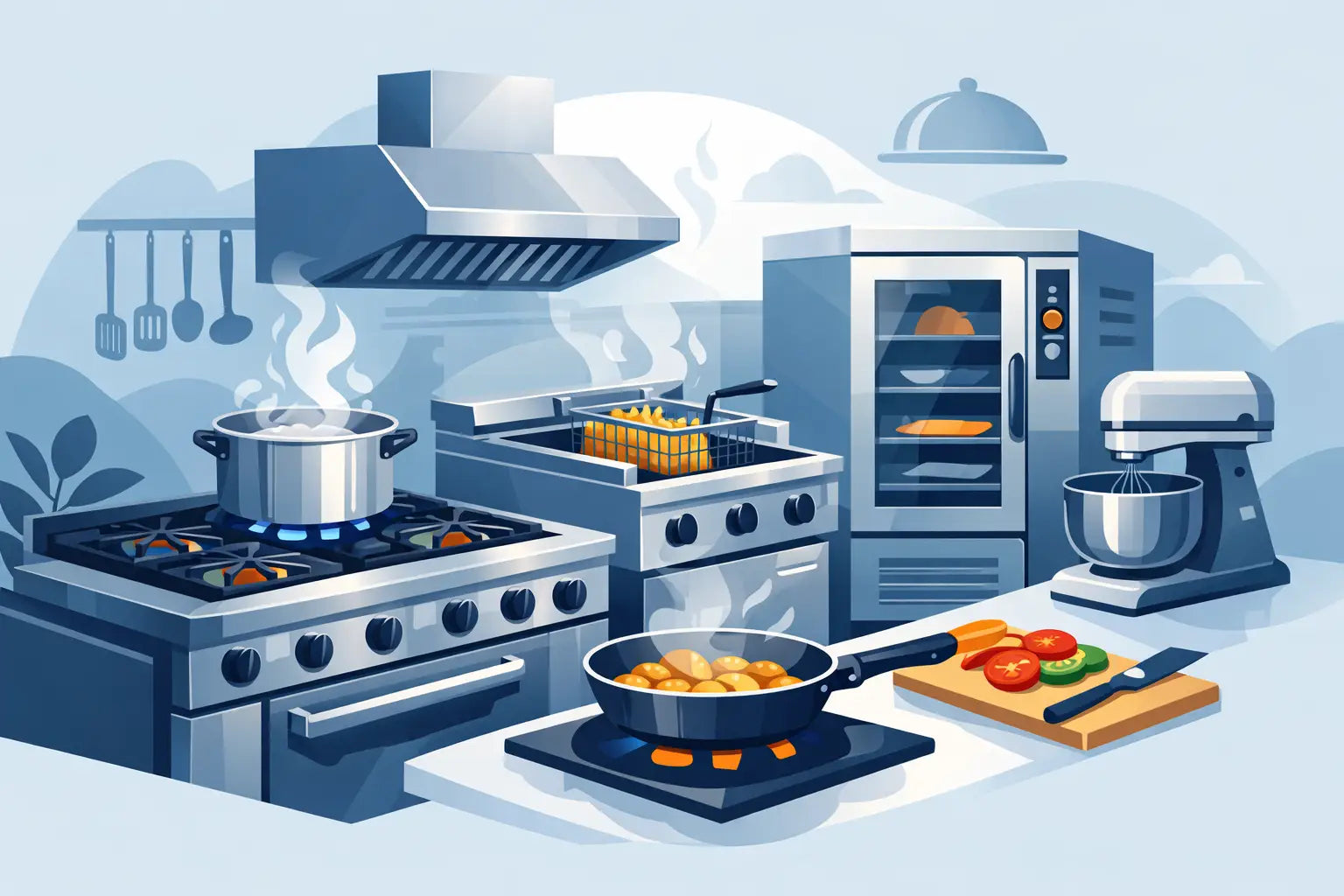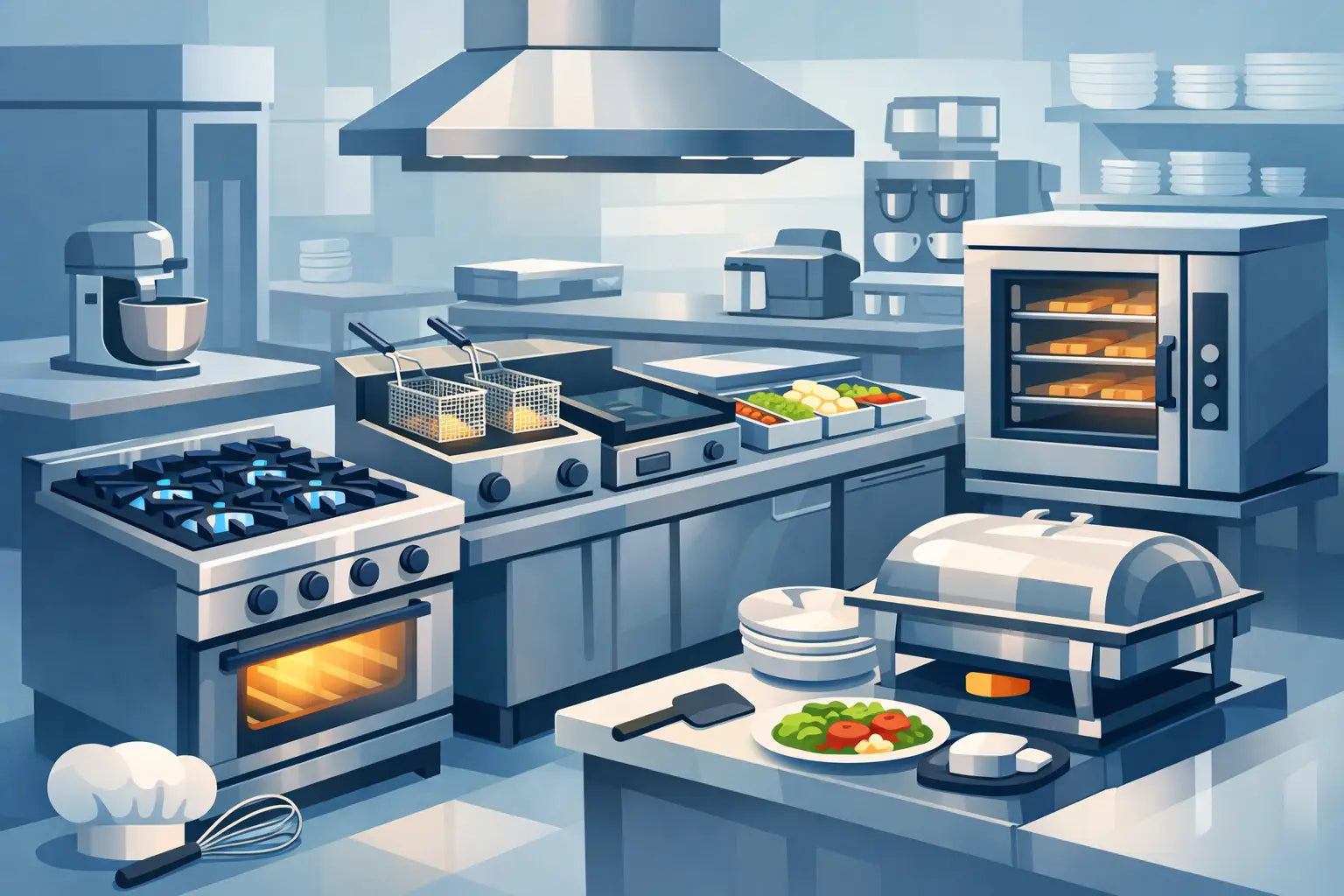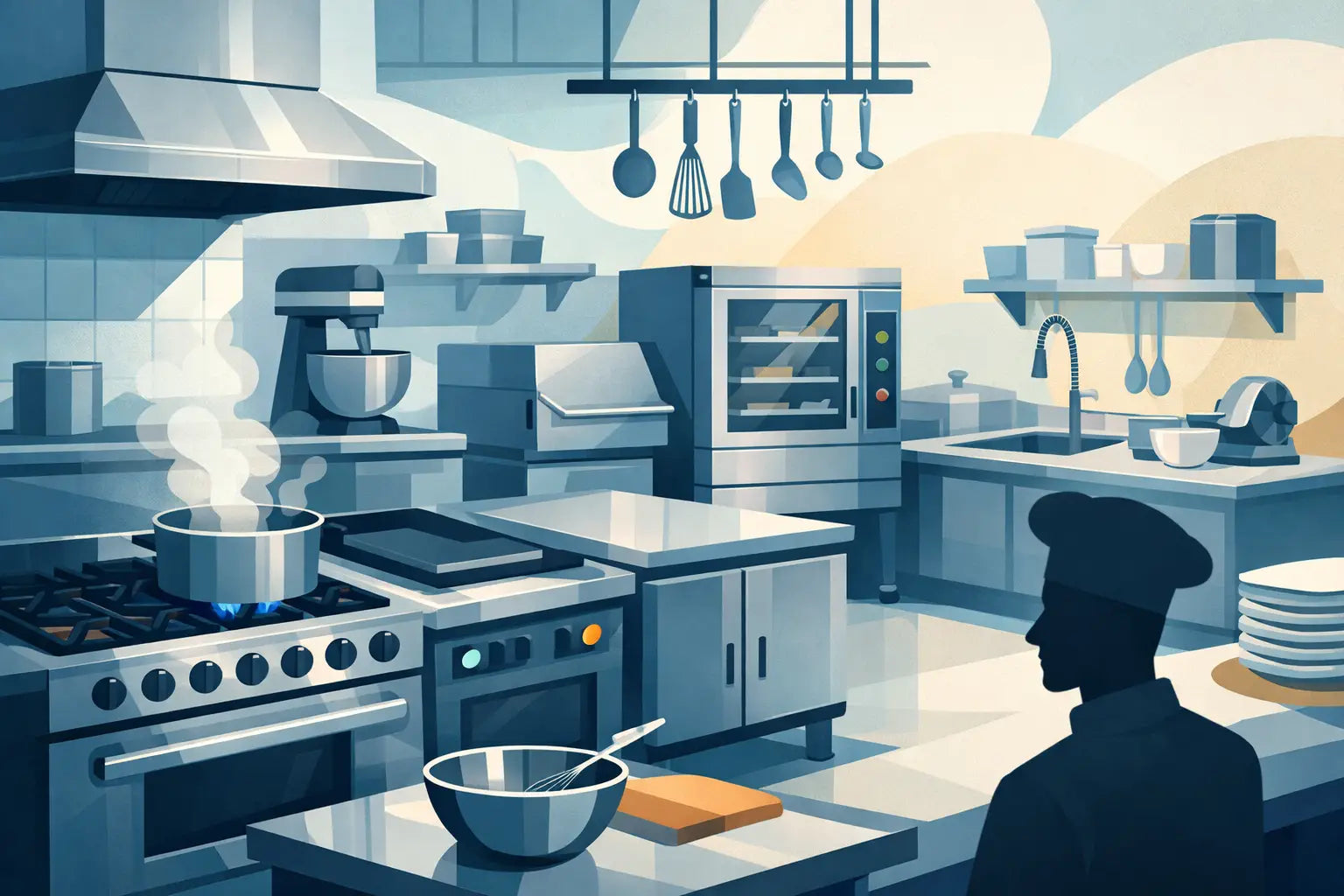
What Is Industrial Kitchen Equipment?
The lunch rush exposes weak equipment fast. A range that struggles to recover heat, a refrigerator that cannot hold temperature, or a mixer that slows under load does more than frustrate the team - it cuts into consistency, speed, and food safety. That is the real answer behind the question, what is industrial kitchen equipment: it is the class of cooking, refrigeration, prep, holding, and cleaning equipment built to perform under sustained demand.
Industrial kitchen equipment is designed for commercial or high-output culinary environments where reliability matters every hour of service. You will also hear it called commercial kitchen equipment, and in practice the terms are often used interchangeably. The key difference from residential equipment is not just size. It is engineering. Industrial units are built for heavier daily use, faster recovery times, stricter sanitation requirements, higher production volumes, and more predictable results.
For a restaurant owner, that means equipment that can keep pace with tickets. For a bakery, it means repeatable mixing and proofing. For a serious home cook building a professional-style setup, it means tools that deliver chef-level control and durability instead of consumer-grade compromise.
What is industrial kitchen equipment used for?
Industrial kitchen equipment supports the full workflow of a professional kitchen. That includes storing ingredients safely, prepping food efficiently, cooking at scale, holding finished items at safe temperatures, and cleaning wares to health-code standards. Each category is tied to performance. If one piece underperforms, the whole line feels it.
Refrigeration protects product quality and shelf life. Cooking equipment drives output and timing. Food prep machines reduce labor and improve consistency. Holding equipment helps maintain temperature during service. Warewashing keeps operations sanitary and compliant. In other words, industrial kitchen equipment is not just hardware. It is the operational backbone of a kitchen that needs to move with precision.
How industrial equipment differs from residential appliances
The biggest misconception is that industrial equipment is simply a larger version of what sits in a home kitchen. Sometimes it is larger, but that is not the defining feature. Commercial-grade construction, duty cycle, material quality, and serviceability matter more.
A residential oven may perform well for occasional family meals. A commercial convection oven is expected to run through prep, lunch, and dinner with even heat and faster cook times. A home refrigerator may prioritize quiet operation and aesthetics. A commercial refrigerator prioritizes temperature consistency, recovery after frequent door openings, and storage access during active service.
There are trade-offs. Industrial units often require more floor space, more ventilation, and sometimes specialized utility connections such as higher electrical service or gas lines. They can be louder and less decorative than residential products. For most foodservice buyers, those are acceptable trade-offs because the return comes in throughput, durability, and control.
The main categories of industrial kitchen equipment
A well-equipped kitchen is usually built around a few core categories, and the right mix depends on menu, volume, and workflow.
Cooking equipment
This category includes gas ranges and stoves, convection ovens, pizza ovens, charbroilers, grills, steamers, and specialty equipment such as soft serve machines or slushy machines. Cooking equipment is where speed and precision meet. High-performance heat recovery, even distribution, and controllable output directly affect ticket times and food quality.
A pizzeria may prioritize deck or conveyor pizza ovens for crust consistency and volume. A steakhouse may lean on charbroilers and heavy-duty ranges. A café may need compact convection equipment that fits a tighter footprint. The right choice is always tied to production style, not just product specs.
Refrigeration and cold storage
Commercial refrigerators, freezers, undercounter refrigeration, and blast freezers protect ingredient integrity and operational flow. Undercounter units keep mise en place close to the line. Reach-in refrigerators handle daily storage. Blast freezers rapidly reduce temperature to preserve quality and support food safety in high-output operations.
Cold storage is one of the clearest examples of why industrial equipment matters. Frequent door openings, warm product loads, and ambient kitchen heat can overwhelm lighter-duty appliances. Commercial systems are built to recover faster and maintain safer holding temperatures under pressure.
Food preparation equipment
Mixers, slicers, processors, and specialty prep equipment reduce manual labor and improve repeatability. In many kitchens, prep equipment has an outsized impact on margin because it saves time while tightening product consistency.
A planetary mixer in a bakery or pizza operation does more than stir ingredients. It supports batch accuracy, dough development, and labor efficiency. That matters when you are trying to scale quality instead of just output.
Holding and warming equipment
Food warmers and holding cabinets bridge the gap between cooking and service. Their job is simple but critical: maintain safe temperatures without overcooking or drying out finished products. In catering, fast-casual service, and buffet environments, this equipment can be just as important as the cooking line itself.
Warewashing and sanitation equipment
Commercial dish washers and sanitation stations keep kitchens moving while supporting hygiene standards. Speed matters here, but so does compliance. In a professional environment, cleaning equipment is not an afterthought. It protects the operation, the staff, and the guest experience.
Who needs industrial kitchen equipment?
Restaurants, bakeries, cafés, bars, hotels, food trucks, institutional kitchens, and catering operations all rely on some form of industrial kitchen equipment. But the audience is broader than traditional foodservice.
Serious home cooks also invest in professional-grade tools when they want more output, tighter control, or greater durability. Outdoor kitchen builds, pizza-focused home setups, and enthusiast baking stations often benefit from commercial-style ovens, grills, refrigeration, or mixers. The main question is whether the space, utilities, and usage justify the upgrade.
That is where buyers need to be realistic. If your cooking volume is occasional and your kitchen is not designed for commercial power, ventilation, or clearance requirements, industrial equipment may be more than you need. If you cook often, entertain heavily, or demand restaurant-level results, it can be a smart long-term investment.
How to choose the right industrial kitchen equipment
The best buying decisions start with workflow, not brand names or flashy features. Before comparing models, define what the equipment must do during your busiest period.
Capacity comes first. Think in terms of peak demand, batch size, and recovery time. A range that handles normal volume but struggles during rush periods is not sized correctly. The same goes for refrigeration that loses temperature when the line gets busy.
Next is footprint. Space constraints shape nearly every equipment decision, especially in compact restaurants and back-of-house renovations. Undercounter refrigeration, stackable configurations, and multi-function cooking equipment can solve space problems, but there is always a balance between saving room and preserving output.
Utilities matter more than many buyers expect. Gas, electric, water, drainage, and ventilation requirements all affect installation cost and placement. A piece of equipment may look perfect on paper and still be impractical once site requirements are considered.
Then there is menu fit. A general-purpose oven may work for a broad concept, while a pizza operation often needs equipment engineered around dough, heat retention, and bake consistency. Specialty equipment tends to pay off when it supports a signature product or a high-margin category.
Finally, think about cleaning and maintenance. Stainless steel construction, accessible components, removable parts, and serviceable design all contribute to uptime. Equipment should not just perform well on day one. It should stay dependable through daily use.
Why performance matters more than sticker price
Low-cost equipment can look attractive during purchasing, especially for new operations managing a tight budget. But the true cost of kitchen equipment shows up over time in repairs, downtime, energy use, inconsistent output, and labor inefficiency.
A less expensive oven that bakes unevenly may create waste and slow service. A refrigerator that cannot recover temperature fast enough may put product at risk. A mixer that strains under routine batches can shorten its useful life and disrupt prep. Price matters, but performance per shift matters more.
That is why experienced buyers focus on durability, production fit, and reliability. The goal is not to buy the biggest machine in the category. It is to buy equipment that supports speed, safety, and consistency without becoming a bottleneck.
What is industrial kitchen equipment really buying you?
It buys control. Control over temperature, timing, sanitation, workflow, and product consistency. In a professional kitchen, those factors shape labor efficiency and guest satisfaction just as much as the recipe does.
For operators and chefs who take output seriously, equipment is not background infrastructure. It is part of the craft. And for buyers who want dependable, performance-driven solutions, that perspective matters. Culinary Precisions serves that exact need with professional equipment chosen for kitchens where results have to hold up under pressure.
The smartest equipment choice is rarely the most impressive unit in the showroom. It is the one that fits your menu, your space, your pace, and your standards - and keeps doing its job when service gets real.