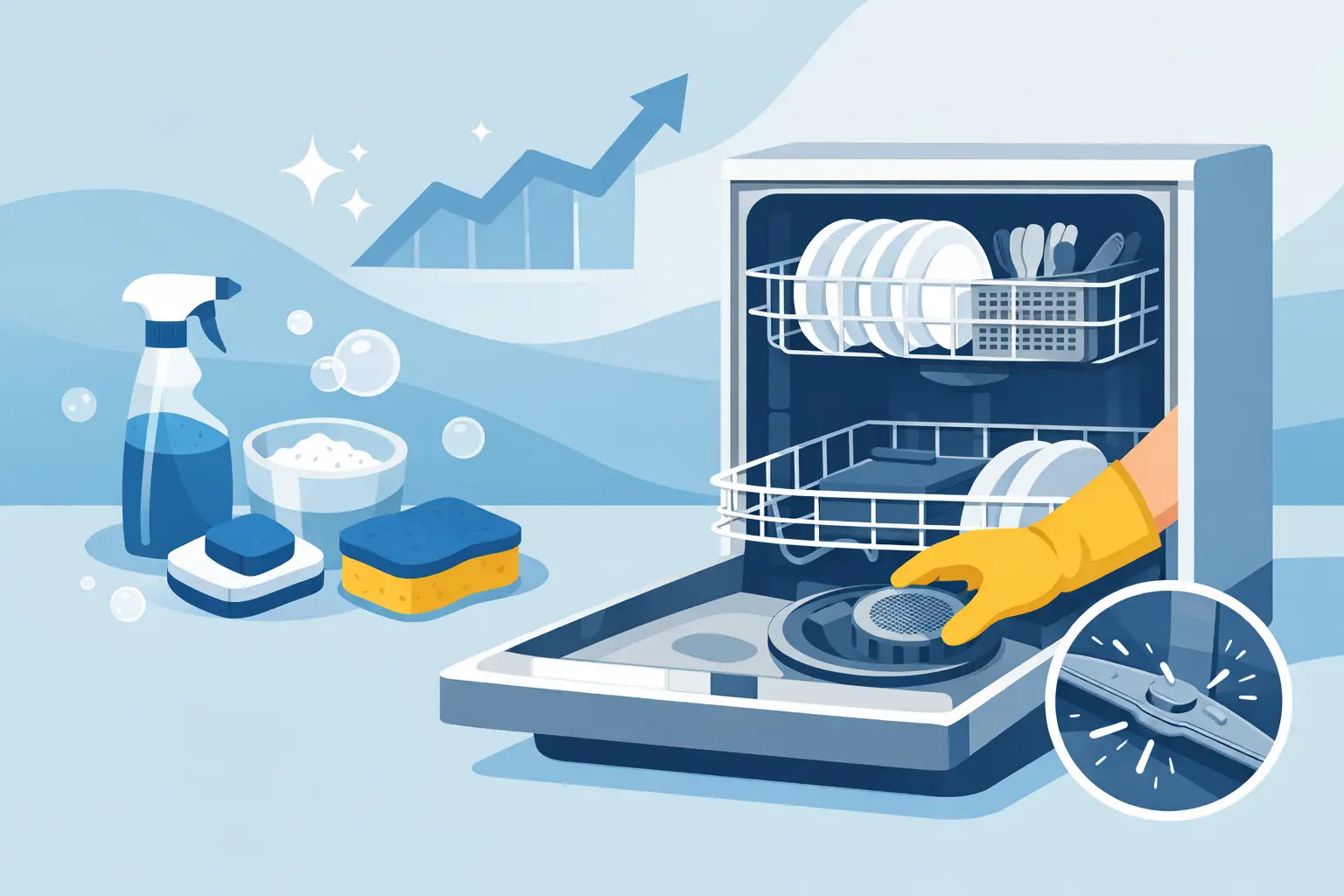
How to Clean Dish Washer for Peak Performance
A dishwasher that starts to smell, leaves grit on glasses, or runs with cloudy rinse water is sending a clear message - performance is slipping. If you are searching for how to clean dish washer equipment properly, the goal is not just a fresher interior. It is better sanitation, more consistent wash results, and less wear on a machine your kitchen depends on.
For a busy foodservice operation, cleaning the dishwasher is preventive maintenance. For a serious home cook with a high-performance unit, it is how you protect wash quality and avoid the slow buildup that shortens service life. Either way, the right process is simple, but it needs to be thorough.
Why cleaning a dishwasher matters more than most people think
Dishwashers are built to clean, but they are not self-maintaining. Grease, starch, minerals, detergent residue, paper labels, seeds, and food scraps all collect over time. In commercial environments, buildup happens fast because cycle volume is high and soils are heavier. In home kitchens, it happens more quietly, but the effect is the same.
The first cost is usually performance. Spray arms lose pressure when jets clog. Filters stop trapping debris effectively. Heating elements and interior surfaces collect mineral scale that interferes with efficient operation. Then sanitation starts to suffer. You may still get dishes that look clean at a glance, but odor, residue, and inconsistent drying are signs that the machine is no longer operating at its best.
There is also a reliability angle. Pumps and drains work harder when debris accumulates. Door seals wear faster when grime sits in the gasket folds. Over time, a machine that should deliver speed and consistency becomes a source of rewash, downtime, and unnecessary service calls.
How to clean dish washer interiors step by step
Before you begin, disconnect power if your model and setup require it for safe cleaning. If the machine has been running, let hot surfaces cool slightly. Then remove racks, utensil holders, and any removable filters or screens.
Start with the filter area, because this is where most heavy residue collects. Rinse off loose debris under warm water and use a soft brush to remove grease or stuck particles. If buildup is stubborn, soak the filter briefly in warm water with mild dish soap. Avoid aggressive scraping that can damage fine mesh or plastic components.
Next, inspect the spray arms. On many units, the arms can be removed for easier cleaning. Look closely at the small holes where water exits. Even partial blockage affects wash pressure. Use a soft brush, a toothpick, or a small non-metal pick to clear debris. Do not force hard metal tools into the openings, especially on plastic arms, because that can distort the jets and change spray patterns.
Move to the interior walls, door, and floor of the machine. Wipe down visible residue with a soft cloth or sponge and a manufacturer-safe cleaner. In many cases, warm water and a small amount of mild detergent are enough for routine cleaning. Pay attention to corners, seams, and the lower basin where grease and sediment tend to settle.
The door gasket deserves special attention. This area traps moisture and fine debris, which makes it a common source of odor and mold. Wipe the seal gently but thoroughly, including the folds. If you skip this step, the machine may still smell off even after the wash chamber looks clean.
Once the visible residue is removed, run a cleaning cycle. The best method depends on the machine type and the manufacturer guidance. Some units are compatible with commercial deliming or dishwasher cleaning products. Others can handle a cleaning cycle with a measured amount of white vinegar placed safely in a bowl on the top rack. Vinegar can help with light mineral deposits and odor, but it is not the right answer for every unit or every level of scale. Heavy mineral buildup often needs a proper delimer designed for warewashing equipment.
After the cycle finishes, inspect again. If you still see scale, greasy film, or trapped debris, repeat the targeted cleaning steps rather than assuming one cycle solved it.
What to use - and what to avoid
When people look up how to clean dish washer systems, they often jump straight to strong chemicals. That can backfire. The best cleaning agents are the ones approved for the machine and the type of buildup you actually have.
For daily or weekly routine cleaning, warm water, mild dish soap, soft cloths, and a non-abrasive brush are usually enough. For mineral scale, a deliming product is often more effective than household shortcuts. For odor, removing trapped debris matters more than masking the smell.
Avoid bleach unless the manufacturer clearly states it is safe. On stainless steel interiors or certain seals and components, bleach can cause corrosion or premature wear. Also avoid abrasive pads, steel wool, and harsh powders. They may make a surface look cleaner in the moment, but they can scratch finishes and create places for residue to cling in the future.
It also depends on whether you are cleaning a residential dishwasher or a commercial one. Commercial warewashing equipment often has stricter chemical compatibility requirements, and the stakes for sanitation and uptime are higher. In a restaurant, using the wrong cleaner is not just a maintenance mistake. It can become an operational problem.
Common trouble spots that get missed
A machine can look clean and still underperform because the hidden problem areas were never addressed. The filter is the obvious one, but not the only one.
Drain zones are a frequent trouble spot. If water drains slowly or leaves dirty pooling at the bottom, check for food particles, labels, broken glass, or grease accumulation near the drain opening. Spray arm hubs and mounting points can also collect residue that affects movement. If the arm does not spin freely, wash coverage drops fast.
Detergent and rinse aid dispensers are another overlooked area. Caked product or residue in these compartments can interfere with proper dosing. That affects cleaning, drying, and spotting. Exterior handles and control panels matter too, especially in commercial settings where multiple staff members touch the machine throughout service.
If your unit has removable curtains, scrap trays, screens, or wash arms, each of those parts needs attention on a regular schedule. This is where professional kitchens separate basic cleaning from performance-driven maintenance.
How often should you clean a dishwasher?
The honest answer is that it depends on volume, water hardness, and the type of soil your kitchen handles every day. A lightly used residential unit may do well with a deeper clean once a month, plus quick filter checks each week. A commercial dishwasher may need daily cleaning at close, weekly deliming checks, and more frequent maintenance in hard-water areas.
If your machine handles cheese, starch-heavy dishes, greasy pans, or high cycle counts, buildup happens faster. If you have hard water, scale can develop long before you notice obvious symptoms. Waiting until there is odor or visible residue is usually too late.
A practical standard is to treat cleaning like part of the machine's production routine rather than a fix for problems. In professional kitchens, that mindset protects speed, sanitation, and consistency. Those are not small gains. They directly affect labor, rewash rates, and the life span of the equipment.
Signs your dishwasher needs more than routine cleaning
Sometimes the issue is not dirt alone. If you have already cleaned the filter, spray arms, seals, and interior, but the dishwasher still leaves residue or drains poorly, the machine may need service.
Watch for recurring standing water, unusual grinding noises, weak spray action, failure to heat properly, leaking around the door, or cycles that no longer complete as expected. These signs can point to pump issues, drain restrictions beyond the visible area, worn seals, heating problems, or component failure.
Routine cleaning supports performance, but it cannot correct mechanical wear. That distinction matters, especially in commercial kitchens where every hour of downtime affects throughput.
A cleaner machine is a faster, more dependable machine
Dishwasher cleaning is easy to treat as a low-priority task because the machine is already associated with sanitation. In practice, a dirty dishwasher quietly erodes the very standards it is supposed to protect. Clean filters, clear spray arms, intact seals, and scale-free interiors all contribute to better wash quality and stronger equipment reliability.
For kitchens that care about speed, safety, and consistent results, maintenance is part of performance. That is true whether you run a restaurant line or a serious home setup built around professional standards. Culinary Precisions serves cooks and operators who expect equipment to deliver under pressure, and that same standard applies to how it is maintained.
If your dishwasher is part of your daily workflow, give it the same attention you give the rest of your kitchen line. A few focused minutes on a regular schedule can protect the results you count on every service.