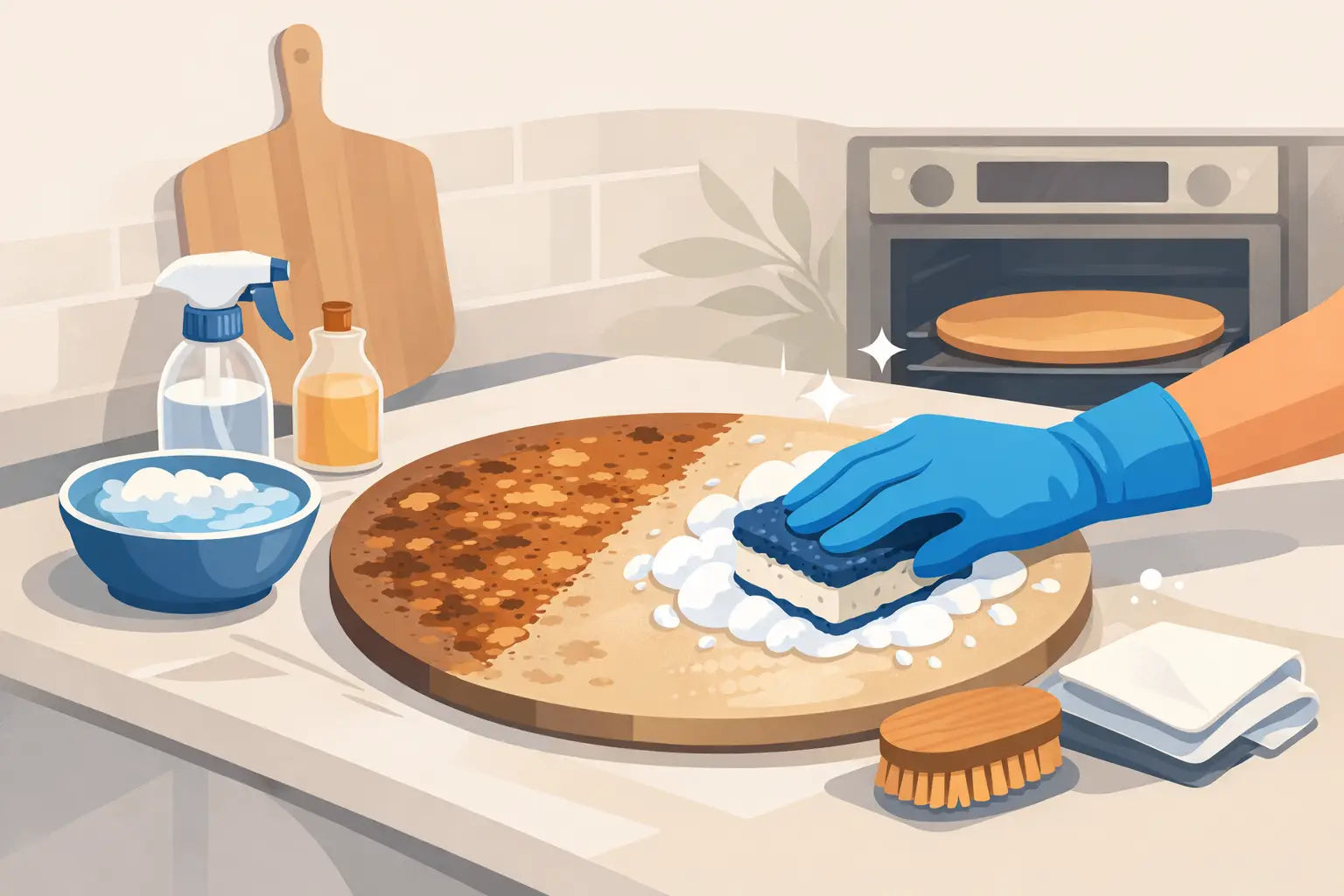
How to Clean Pizza Stone the Right Way
A pizza stone that turns out crisp crusts can also turn into a smoke source fast if grease, cheese, and flour build up. If you're wondering how to clean pizza stone surfaces without damaging them, the short answer is this: keep it dry, keep it gentle, and resist the urge to treat it like a standard pan.
Pizza stones are built for high heat and steady performance, but they are also porous. That matters. The same surface that helps pull moisture from dough can absorb soap, excess water, and oily residue if you clean it the wrong way. For commercial kitchens, outdoor pizza setups, and serious home bakers, proper cleaning is less about appearance and more about preserving consistent results.
Why pizza stones need a different cleaning method
A pizza stone is not meant to look factory-new after repeated use. Dark spots, baked-in discoloration, and surface marks are normal. In many cases, they are signs of a well-seasoned baking surface, not poor maintenance.
What causes problems is stuck food, greasy buildup, or moisture trapped inside the stone. If a wet stone goes back into a hot oven, it can crack under thermal stress. If soap soaks in, you may taste it in the next pie. If carbonized residue keeps accumulating, your oven can start smoking before service even gets rolling.
That is why the best cleaning method is conservative. You are removing debris and preventing performance issues, not trying to polish the stone.
How to clean pizza stone after regular use
For routine maintenance, let the stone cool completely before touching it. Moving too fast here is where damage often starts. A hot stone exposed to a cool sink, wet cloth, or cold countertop can crack.
Once fully cool, scrape off any baked-on cheese, dough, or charred bits with a bench scraper, plastic spatula, or a stone brush designed for baking surfaces. Keep the angle shallow so you lift residue without gouging the surface. After that, wipe the stone with a dry cloth or a barely damp cloth if needed.
If a little moisture is necessary, use as little as possible. The cloth should feel almost dry, not wet. Then let the stone air-dry completely before the next bake. In a production kitchen or busy home setup, giving it extra drying time is a smart move.
What not to use
Soap is the big one to avoid. Most pizza stones are porous enough to absorb it, and that can affect flavor later. You should also skip soaking, dishwasher cycles, and harsh chemical cleaners.
Steel wool is another bad trade-off. It may remove residue quickly, but it can shed metal fragments and rough up the surface more than necessary. A gentle scraper does the job with far less risk.
How to clean pizza stone with stuck-on residue
Sometimes routine cleaning is not enough. Melted cheese hardens onto the edge. Sauce burns into the surface. Flour and oil bake into a stubborn patch that keeps smoking.
In that case, start with dry scraping again. Often, the residue is more brittle than it looks once the stone is fully cooled. If scraping alone does not get it done, make a paste with baking soda and a small amount of water. Apply it only to the problem area and scrub gently with a cloth or soft brush.
The goal is controlled spot-cleaning, not saturation. Wipe away the paste with a lightly damp cloth, then let the stone dry thoroughly. If you have time, leave it out overnight. If the stone still looks stained afterward, that is usually acceptable as long as the surface is dry, smooth enough for use, and free of loose residue.
A note on stains versus buildup
Stains are cosmetic. Greasy film and raised burnt residue are performance issues. That distinction matters.
Many operators and home cooks waste time trying to remove every dark mark. On a pizza stone, that effort often creates more risk than benefit. Focus on what affects the bake: uneven debris, old food particles, off odors, or smoke during preheat.
Deep cleaning a heavily soiled stone
If your stone has gone too long between cleanings, you may need a more aggressive reset. That does not mean water-heavy cleaning. It means controlled heat and careful scraping.
Place the dry stone in the oven and run it through a high-temperature bake cycle or a long preheat, if the manufacturer allows it. The heat can help carbonize old residue, making it easier to scrape off once the stone cools completely. This method works well for baked-on organic material, but it depends on the stone's construction. Some lower-quality stones or stones with pre-existing cracks may not respond well to extreme heat.
After the stone cools, scrape away the loosened debris and wipe it clean. If needed, use a small amount of baking soda paste on remaining problem spots. This is usually enough to restore function even if the stone still shows permanent discoloration.
If the stone smells rancid after repeated use, especially after oily toppings or accidental grease spills, deep cleaning may improve it. But if odor persists and the stone is saturated, replacement can be the better performance decision.
Common mistakes that shorten stone life
The fastest way to ruin a pizza stone is sudden temperature change. Never take it from a hot oven to a cold surface or rinse it while warm. Thermal shock is a frequent cause of cracking.
Another mistake is over-cleaning. A pizza stone does not need to be scrubbed back to pale beige after every use. Chasing a spotless finish can wear the surface and introduce too much moisture.
Oil is another issue. Some cooks assume seasoning a pizza stone works like seasoning cast iron. Usually, it does not. Added oil can soak in unevenly, create sticky patches, and burn off with smoke. Let the stone develop naturally through use instead.
How to keep your pizza stone cleaner between bakes
A little prevention saves time. Use enough flour or cornmeal to help the pizza release, but not so much that excess burns onto the stone. Build pizzas on a peel efficiently so toppings are not spilling during transfer. If cheese tends to overflow, tighten the topping line slightly away from the edge.
For commercial users or frequent pizza nights, brushing off loose flour and char between bakes can make a major difference. A stone that stays clear during service performs more consistently and creates less smoke over time.
It also helps to preheat properly. A fully heated stone cooks the crust faster and can reduce the amount of dough that sticks. Underheated stones are more likely to grab soft dough and leave behind a mess.
When to replace a pizza stone
A cracked stone is not always finished. A clean break that still fits tightly may remain usable in some settings, especially for baking bread or lower-risk applications. But if the stone wobbles, sheds fragments, or has multiple fractures, replacement is the safer call.
You should also consider replacing it if deep odors remain after cleaning, if the surface becomes badly flaked, or if residue is so embedded that it affects flavor and smoke output every time you bake. Performance matters more than squeezing extra life out of a compromised surface.
For chefs, operators, and serious home cooks, this comes down to consistency. A pizza stone is a working surface. If it is no longer delivering reliable heat retention and clean baking results, it is no longer doing its job.
Final answer to how to clean pizza stone safely
If you want the best method for how to clean pizza stone surfaces, keep it simple: cool it fully, scrape it dry, use minimal moisture, and skip soap entirely. Treat stains as normal, deal with residue before it builds up, and avoid anything that shocks the stone or saturates it.
That approach protects more than the stone itself. It protects the bake - the crust texture, the clean heat, and the consistency that serious pizza making depends on.