How Much Is Commercial Kitchen Equipment?
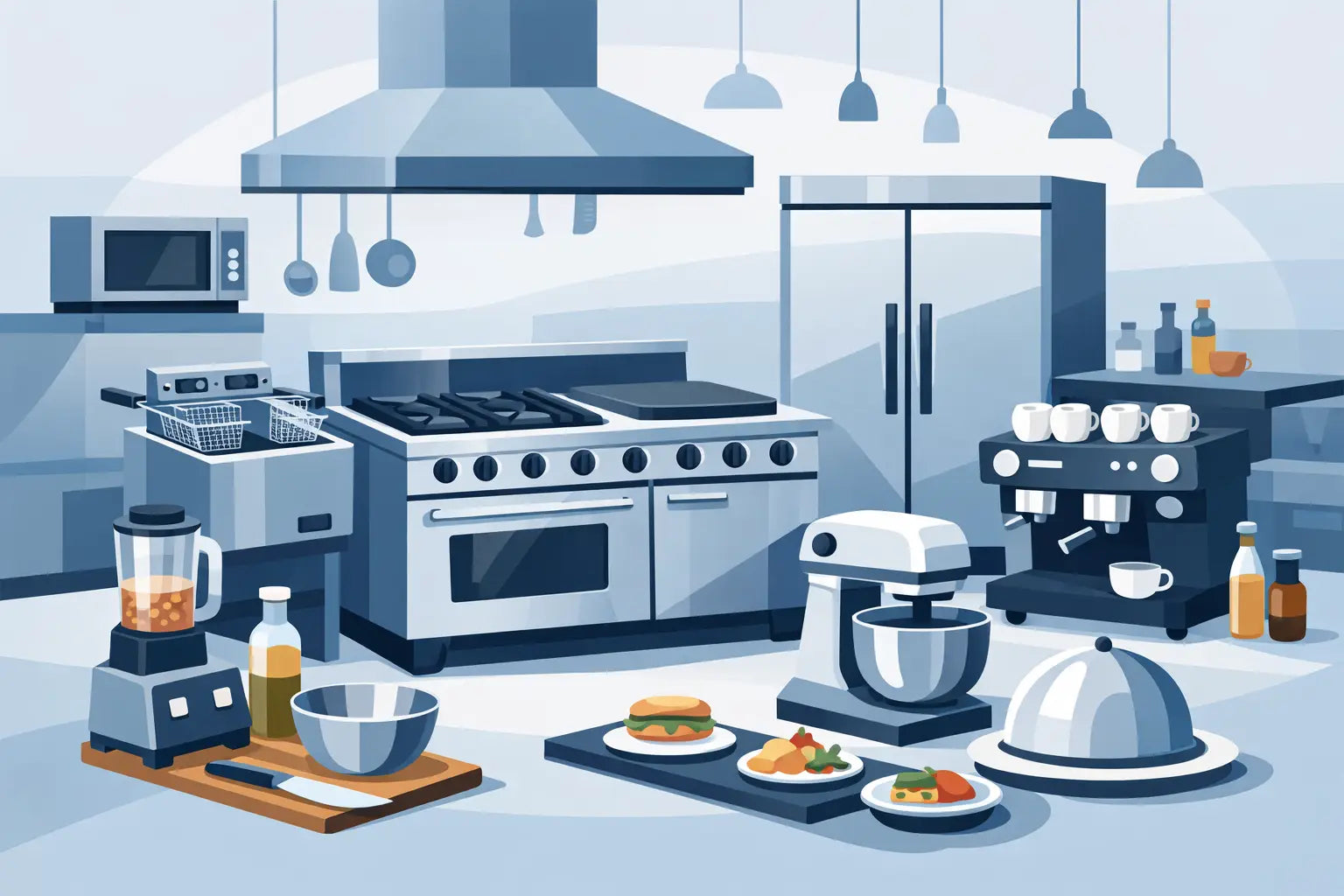
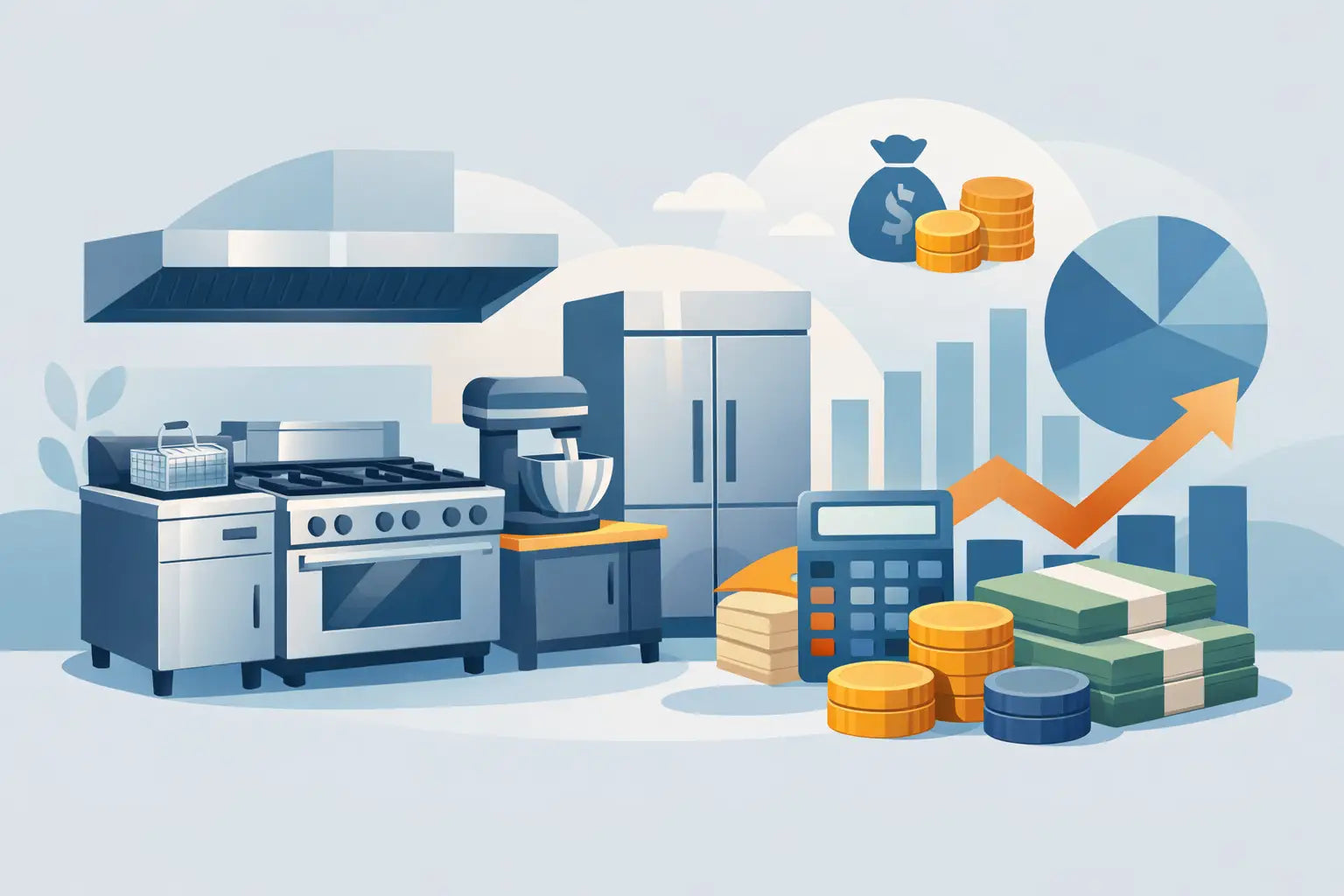
Sticker shock usually hits somewhere between the second spec sheet and the first freight quote. If you are asking how much is commercial kitchen equipment, the honest answer is that a basic setup can start in the low thousands, while a fully outfitted restaurant kitchen can climb into the tens or even hundreds of thousands depending on output, menu, utility requirements, and build quality.
That range sounds broad because commercial equipment is not one purchase. It is a system. A pizzeria, a coffee shop, a ghost kitchen, and a full-service restaurant may all need refrigeration, cooking, holding, and cleaning equipment, but the performance demands are different. The right budget comes from matching equipment to production, not from chasing the lowest price on the page.
How much is commercial kitchen equipment by category?
For most buyers, the fastest way to estimate cost is to break the kitchen into equipment groups. Cooking equipment usually consumes the largest share of the budget, followed by refrigeration and warewashing.
Commercial refrigerators and freezers often start around $1,000 to $3,500 for smaller reach-in or undercounter units, while larger premium models can run $4,000 to $10,000 or more. Blast freezers sit in a higher tier because they are performance-driven machines built for rapid chilling, food safety, and workflow control. Those can start around $5,000 and rise well past $15,000 depending on capacity.
Cooking equipment spans an even wider range. A commercial gas range may cost roughly $1,500 to $6,000, depending on burner count, oven configuration, and construction. Convection ovens often land between $2,500 and $10,000. Charbroilers and grills commonly range from $1,000 to $5,000, while steamers can move from $2,000 into five figures when capacity and programmability increase.
Specialty equipment changes the math quickly. Pizza ovens can start near $2,000 for compact countertop units and exceed $20,000 for larger deck or conveyor systems built for volume. Soft serve machines often range from $6,000 to $20,000 or more. Slushy machines may start near $1,000, but multi-bowl commercial units designed for steady service can push much higher.
Food prep equipment follows the same pattern. A commercial mixer may cost $800 for a smaller planetary mixer or $5,000 and up for larger floor models built for continuous production. Food warmers, holding cabinets, and undercounter refrigerated prep stations can each add another $1,000 to $6,000 per unit. Dishwashers are another major line item, with commercial models often starting around $3,000 and rising to $10,000 or more depending on throughput and installation needs.
What changes the price most?
If two pieces of equipment look similar online but carry very different price tags, the difference usually comes down to output, construction, and long-term durability. In a commercial kitchen, those factors matter more than surface-level features.
Capacity is one of the biggest drivers. A compact undercounter refrigerator costs less than a high-capacity reach-in because it stores less product and supports a smaller workflow. The same logic applies to ovens, steamers, mixers, and dishwashers. More output typically means a stronger motor, thicker insulation, heavier-duty components, and a larger footprint.
Material quality also moves the number. Stainless steel construction, reinforced doors, commercial-grade hinges, and durable control systems add cost upfront but usually pay off in a high-use environment. Equipment that holds temperature accurately, recovers heat quickly, and withstands repetitive opening, closing, loading, and cleaning is built differently than light-duty gear.
Power source affects pricing too. Gas and electric versions of the same appliance may be priced differently, and the real cost includes your site conditions. A lower equipment price does not always mean a lower project cost if utility upgrades are required.
Brand reputation and support matter more than many buyers expect. Professional kitchens depend on uptime. Buying from a retailer that understands specification-driven performance and can help buyers compare options is often worth more than shaving a small percentage off the invoice.
Entry-level, mid-range, and premium budgets
When buyers ask how much commercial kitchen equipment costs, they are often trying to decide where they fit in the market. A practical way to think about it is entry-level, mid-range, and premium.
Entry-level equipment is usually best for lighter production, limited menus, startup operations, or serious home users stepping into professional-grade performance. You can often outfit a small coffee concept, concession setup, or compact prep space with core equipment for roughly $10,000 to $25,000 if the menu is simple and the footprint is tight.
Mid-range equipment is where many independent restaurants and growing operations land. This tier balances durability, recovery speed, and production consistency without overbuying. A moderate commercial kitchen with refrigeration, cooking line equipment, prep support, and dishwashing can easily fall between $25,000 and $75,000 depending on specialization.
Premium budgets are common in high-volume restaurants, multi-station kitchens, bakery production, pizza programs, and operations where output consistency directly affects labor and food cost. These kitchens often invest $75,000 and well beyond that once specialty cooking, blast chilling, advanced refrigeration, and heavier warewashing are included.
That does not mean premium is always the right answer. Overbuying can tie up capital in capacity you will not use. Underbuying can cost more later through slow ticket times, inconsistent results, and premature replacement.
New versus used equipment
For buyers trying to control startup costs, this is where the conversation gets real. Used equipment can reduce initial spend, but it introduces trade-offs that matter in a performance-driven kitchen.
New equipment gives you cleaner service history, current efficiency standards, manufacturer support, and a better shot at reliable daily output. It also makes planning easier because you are not inheriting hidden wear on compressors, burners, valves, gaskets, or electronics. For refrigeration, cooking equipment, and dishwashing systems that carry your operation every day, that predictability has real value.
Used equipment can make sense for lower-risk categories or backup capacity, but the price advantage narrows fast if refurbishment, missing parts, freight damage, or service calls enter the picture. In many cases, operators think they are saving money when they are actually buying uncertainty.
The costs buyers forget to include
The equipment price is only part of the investment. Freight, liftgate delivery, installation, utility hookups, ventilation, and local code compliance can add meaningfully to the final number.
A commercial oven may be affordable on paper, but if your space needs upgraded gas service or a new hood system, the real project cost changes fast. Refrigeration may require clearance planning, drain considerations, or electrical adjustments. Dishwashers often involve water treatment, drainage, and chemical setup.
Then there is the cost of the wrong fit. An undersized prep table that slows service, a mixer that cannot handle batch volume, or a pizza oven that cannot recover during a rush will show up later in labor strain and missed sales. Precision in buying is not about spending more. It is about spending where performance matters most.
How to budget without guessing
Start with the menu, then work backward into production volume. That sounds simple, but it is the clearest way to avoid mismatched equipment. A burger operation with limited cold storage needs a different budget than a bakery with proofing, mixing, and holding demands.
Next, separate must-have equipment from phase-two upgrades. Refrigeration, primary cooking, food holding, and sanitation usually belong in phase one. Specialty add-ons can wait if cash flow is tight, provided the core kitchen can still operate efficiently and safely.
It also helps to budget by station instead of by product. Cold storage, hot line, prep, holding, and cleaning each need to perform under pressure. This approach reveals where one strong machine can do the work of two weaker ones.
For many operators, the smartest move is to buy fewer pieces of better equipment rather than filling the kitchen with low-cost compromises. A reliable convection oven, a durable reach-in refrigerator, or a properly sized commercial mixer often returns value through consistency, speed, and reduced downtime. That is the kind of performance serious kitchens are built on.
If you are outfitting a new operation or upgrading a line that can no longer keep pace, treat the price as only one part of the decision. The better question is what your kitchen needs to produce, safely and consistently, every single day. Buyers who start there usually make better equipment choices and spend with far more confidence.