Foodservice Equipment That Shapes Every Service
The first rush reveals the truth about a kitchen. A range that recovers slowly, a prep table that crowds the line, or an ice machine that cannot keep pace turns a well-written menu into a series of compromises. Foodservice equipment is not background infrastructure. It sets the rhythm of prep, the consistency of every plate, and the confidence a team carries into service.
For a restaurant opening its doors, a caterer expanding production, or a homeowner building an outdoor kitchen meant for real gatherings, the right equipment should feel deliberate. It should support the food, fit the room, and earn its place through years of heat, motion, cleaning, and repeated demand.
Start With the Work, Not the Product
A beautiful oven or polished refrigeration suite can be tempting, but buying by category alone often creates expensive friction. Begin with the actual movement of food through the operation: receiving, storing, prepping, cooking, holding, plating, washing, and waste. Each transition asks something specific of the workspace.
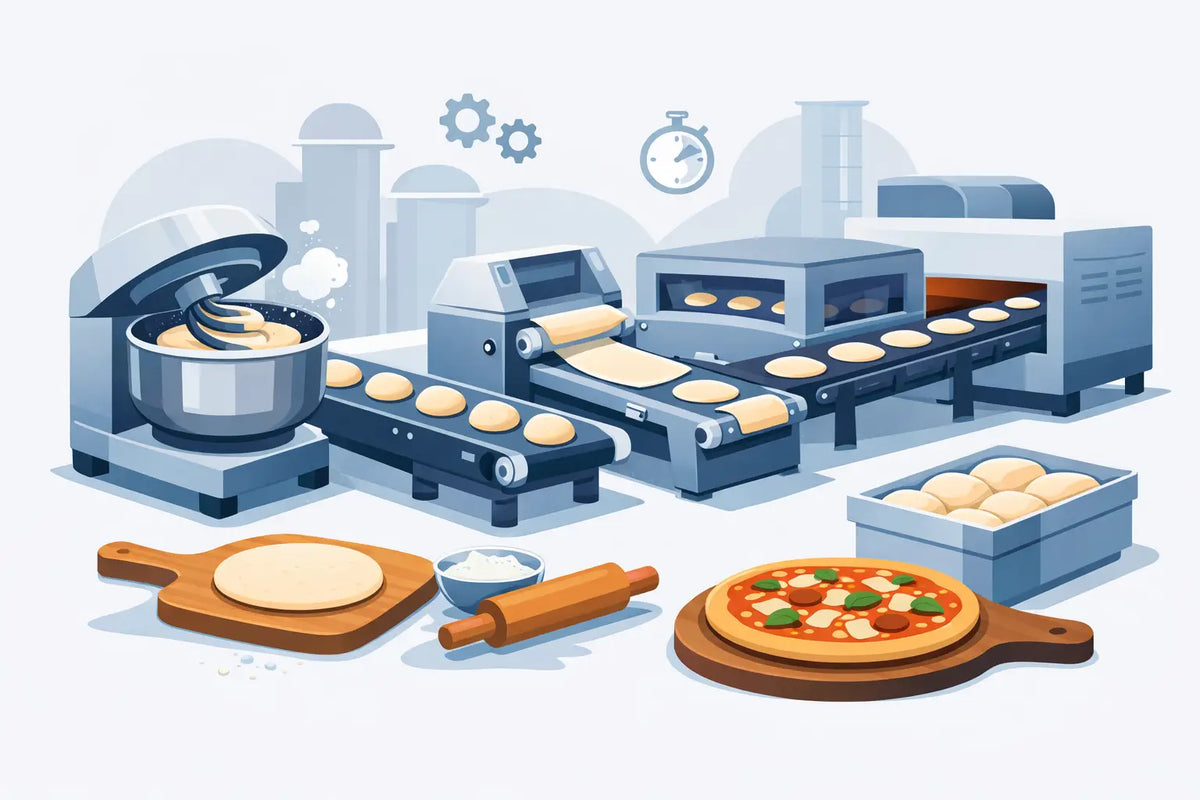
A fast-casual sandwich concept, for example, needs chilled ingredients within immediate reach of assembly. A pizza program depends on dough management, high-heat recovery, landing space, and a logical path from make line to oven to cut station. A hotel breakfast operation may place greater value on holding capacity, beverage service, ice production, and quick reset between waves of guests.
This is why capacity means more than a specification on a product page. Ask how many covers, pies, pans, baskets, or pounds of product must move during the busiest 15 minutes - not just across an average day. Equipment sized for the average often leaves operators short when it matters most.
Map the pressure points
Look closely at the moments when people wait on one another. Does a cook cross the aisle to reach refrigerated mise en place? Is there enough counter space to unload a combi oven safely? Will the dishwasher's output have a clean landing zone before items return to service?
These details shape labor more than many operators expect. A few feet saved at each repeated motion can protect speed, reduce fatigue, and keep stations composed when tickets stack up. The goal is not to fill every open inch. It is to give people room to work with purpose.
Build Your Foodservice Equipment Around Heatlines
Cooking equipment deserves to be selected with the menu in hand. A gas range offers familiar, responsive flame control and accommodates a wide range of cookware. Induction brings concentrated energy, cooler ambient conditions, and precise low-end control, provided the operation has compatible cookware and adequate electrical service. Neither is universally better. The right choice depends on technique, infrastructure, ventilation, and the character of the food.
For high-volume frying, recovery time, oil capacity, filtration, and basket configuration can matter more than an attractive initial price. A fryer that maintains temperature through a sustained rush protects texture and cook times. A model with practical filtration can extend oil life and make a difficult daily task more manageable.
Pizza ovens, charbroilers, and specialty cooking equipment should be judged by the heat they create and the service pattern they support. A deck oven can bring deep floor heat and a particular crust character. A conveyor oven can provide repeatable throughput for a high-volume concept. A charbroiler delivers live-fire flavor and visual drama, but it also brings ventilation, cleaning, and fuel considerations that must be designed into the plan.
Precision is a form of hospitality
Combi ovens deserve special attention because they can change the shape of production. Their blend of convection, steam, and programmed cooking can help operators roast, bake, retherm, steam, and hold with unusual consistency. For operations managing variable skill levels or batch production, that control can reduce guesswork.
But a combi oven is not a shortcut around training. Staff still need to understand loading patterns, probe use, cleaning cycles, and when a familiar pan-seared finish better suits the dish. The strongest kitchen designs pair technical capability with a clear operating discipline.
Cold Storage Protects More Than Inventory
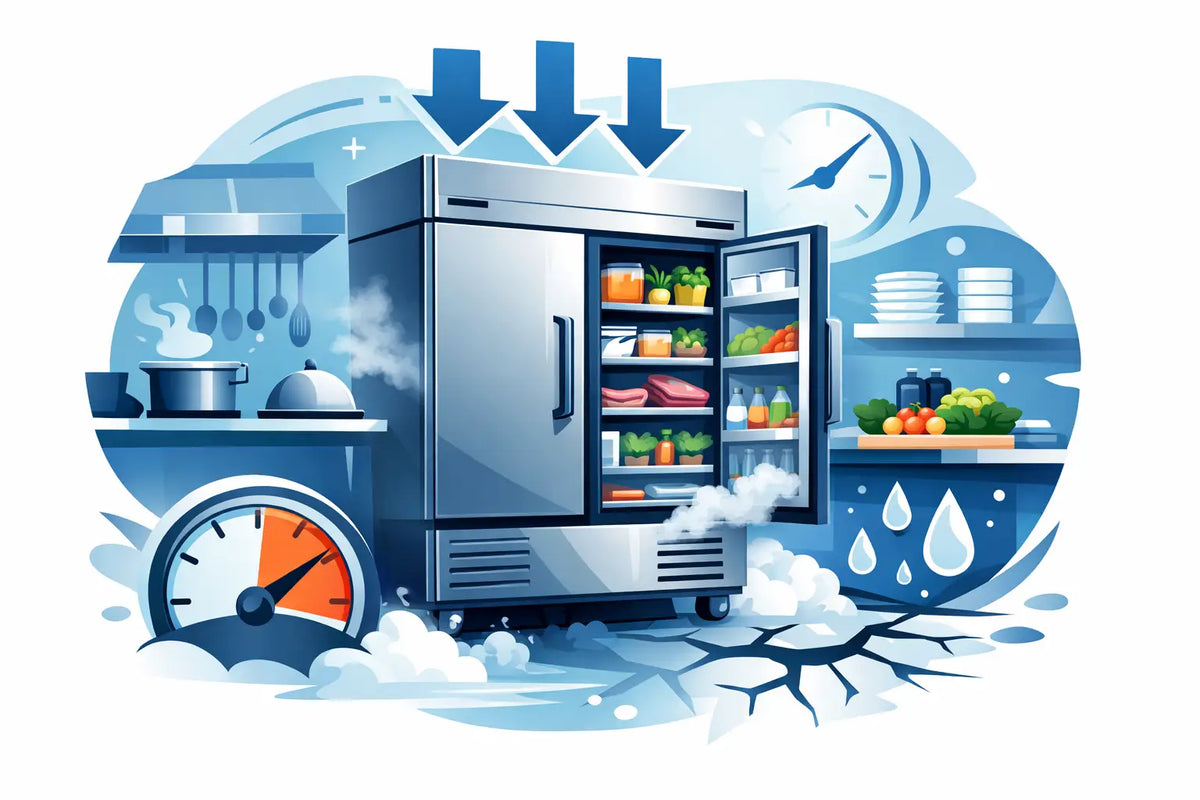
Refrigeration is where quality becomes measurable. A walk-in cooler provides bulk capacity and can anchor a serious production operation, but it requires thoughtful placement, door clearance, flooring, condensation management, and access for deliveries. Reach-in refrigerators and freezers offer flexibility near working stations, while undercounter units can return valuable vertical space to the line.
Prep tables are often among the hardest-working pieces in the room. Their value comes from the relationship between refrigerated rail, pan layout, cutting surface, and ingredient replenishment. The correct model keeps the most-used items cold, visible, and within reach without turning the station into a cluttered holding zone.
Blast chillers add another layer of control for kitchens producing sauces, stocks, proteins, and prepared components ahead of service. They can support safer, faster cooling and better planning, especially where batch cooking drives the menu. Their value rises with the volume and frequency of production. In a small operation producing only limited quantities daily, the footprint and investment may not justify the gain.
Ice machines follow the same logic. Size them for peak beverage demand, not merely the number of seats. Consider the ice type as well: cube ice, nugget ice, and flake ice each serve different drinks, displays, and handling needs. Water quality, drainage, ventilation, and regular cleaning are part of the purchase, not accessories to consider later.
Respect the Infrastructure Behind the Equipment
The finest equipment cannot perform beyond the building that supports it. Before committing to a major purchase, verify gas type, electrical voltage and phase, breaker capacity, water supply, drainage, ventilation, clearances, floor loading, and door access. A unit that fits on a floor plan may still fail to make the turn through a corridor or clear a low doorway.
This step is particularly consequential for refrigeration systems, dishwashers, combi ovens, and high-output cooking lines. A warewashing machine may need particular water temperature, booster capability, chemical connections, and drain conditions. A powerful range or charbroiler changes the demands placed on the hood system. Ignoring those relationships can delay an opening or create costly field changes.
Specifications should be read as operating requirements, not fine print. Dimensions, BTUs, amps, cubic capacity, clearance instructions, and utility needs tell the real story of whether a machine belongs in a space. When the equipment will serve a residential outdoor kitchen, the same discipline applies, with added attention to weather exposure, local installation requirements, and protected utility runs.
Buy for the Cost of the Next Five Years
Initial price matters, especially during an opening, but it is only one part of the decision. A lower-cost unit can be the sensible choice for a light-duty application, a secondary station, or a concept still proving its volume. For a central line position that runs from prep through close every day, durable construction, recoverability, service access, and dependable performance usually deserve greater weight.
Think about cleaning before buying. Can the team reach the surfaces that collect grease, scale, crumbs, and food debris? Are filters, drains, and removable components practical to maintain? Does the equipment make daily care straightforward enough that it will actually happen during a busy week?
Also consider service continuity. A machine that is technically capable but difficult to repair can become a liability. Standardized equipment across multiple locations may simplify training and parts planning. On the other hand, a specialty machine can be worthwhile when it creates a product guests recognize and return for. The decision comes down to whether the distinction it creates is meaningful enough to support the added complexity.
Create a Kitchen With a Clear Point of View
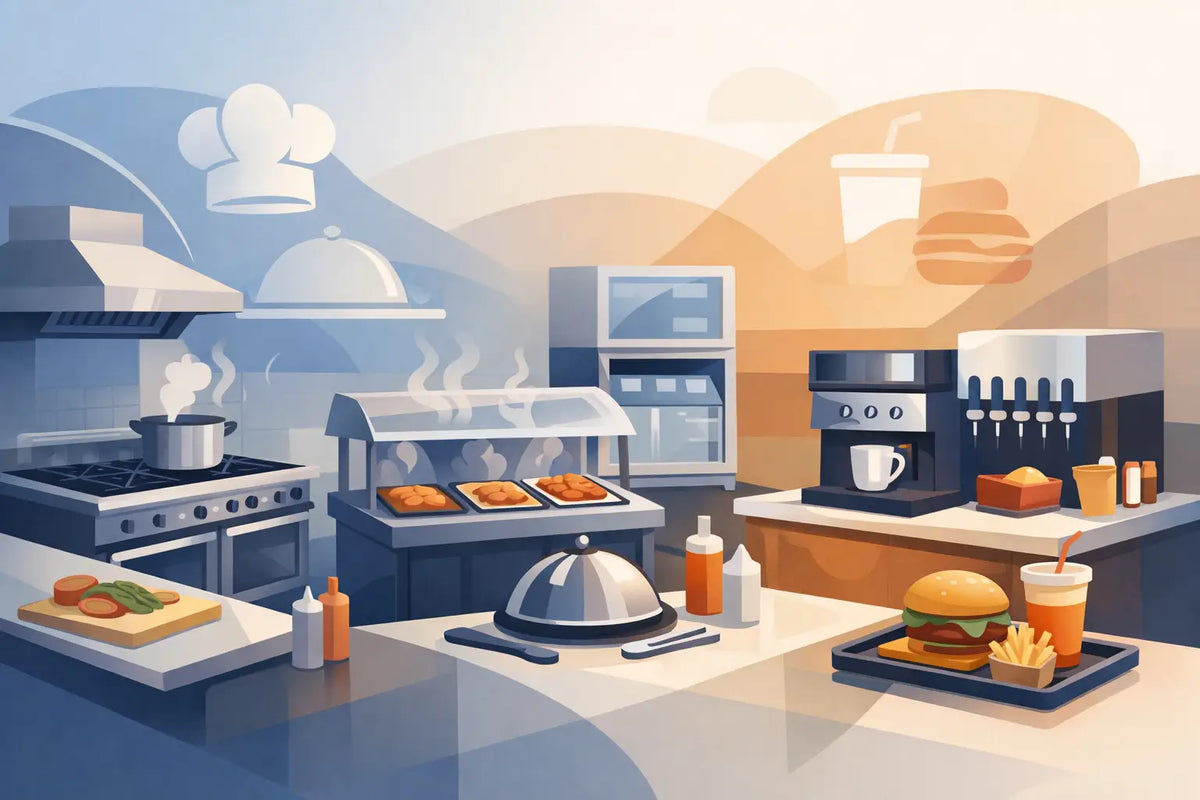
The strongest kitchens are not collections of expensive machines. They are coherent working environments where heat, cold, storage, prep, and cleanup support one another. Stainless surfaces catch the light because they are ready for the next task. A well-positioned oven becomes part of the cook's timing. Refrigeration holds the ingredients at their best until the exact moment they are needed.
That point of view can be highly commercial or deeply personal. A restaurant may need a disciplined line built for 300 covers. An outdoor host may want a professional pizza oven, serious grill, and cold storage that make a long evening feel effortless. Both benefit from choosing tools according to the food they want to make and the people they want to gather.
Culinary Precisions approaches equipment selection as a practical craft: match the specifications to the space, then let the equipment give the menu room to become memorable. The right piece does more than occupy a footprint. It makes every service feel more controlled, more generous, and more fully your own.