Food Safety Equipment Trends for Working Kitchens
A walk-in that drifts a few degrees overnight, a crowded prep line without enough cold holding, or a dishmachine that cannot keep pace with the rush can turn quality ingredients into costly risk. Food safety equipment trends are moving beyond basic compliance because kitchens need tools that protect product, document control, and keep production moving when the pressure is highest.
For restaurant operators, chefs, and serious cooks building professional-level spaces, the right upgrade is rarely the newest feature on its own. It is the equipment that fits the menu, the footprint, the staff workflow, and the volume of food moving through the kitchen each day.
Why Food Safety Equipment Trends Matter on the Line
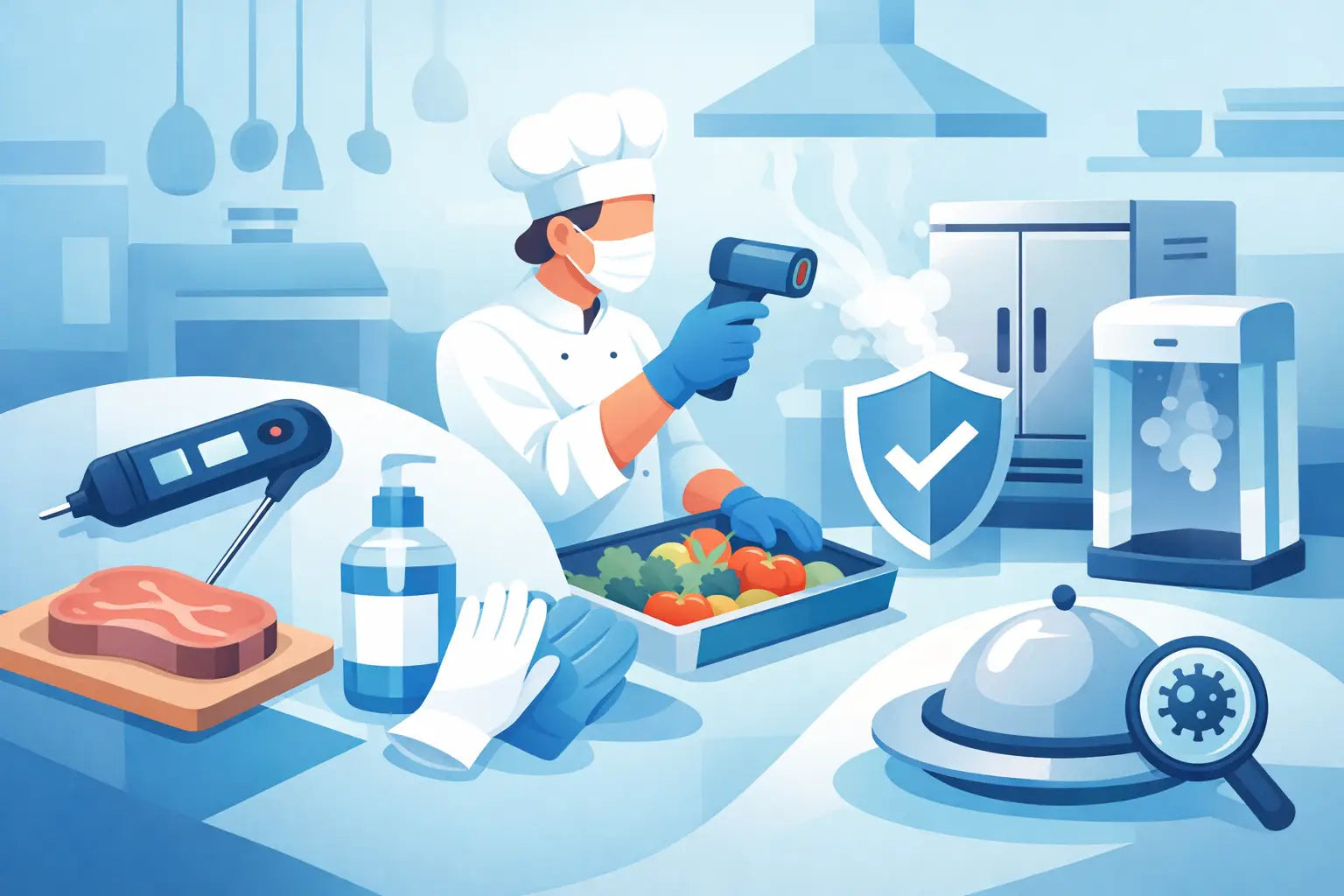
Food safety is not one station or one piece of equipment. It is a chain of temperature control, clean surfaces, proper separation, safe storage, and repeatable procedures. When one part of that chain is weak, labor and food costs rise along with the chance of a failed inspection, a discarded batch, or a guest-facing problem.
The most useful equipment trends support that chain without adding unnecessary complexity. Smart monitoring can reduce blind spots. Faster chilling can protect prepared food while preserving texture. Better refrigeration layouts can make correct storage easier during a packed service. The common thread is precision that holds up in real operating conditions.
Connected Temperature Monitoring Becomes More Practical
Digital temperature monitoring is one of the clearest shifts in commercial food safety. Sensors, data loggers, and connected controllers can track refrigerator, freezer, walk-in, and hot-holding temperatures continuously rather than relying only on periodic manual checks.
The benefit is not simply having more data. It is receiving an alert early enough to move product, check a door seal, or call for service before an equipment issue becomes a full inventory loss. Recorded temperature history can also make internal reviews and inspection preparation more straightforward.
Still, connected monitoring is not a substitute for disciplined staff. Sensors need verification, alert thresholds must be set realistically, and employees need clear instructions for what to do when an alarm occurs. A system that sends alerts to an unattended phone solves very little. The best setup pairs monitoring technology with a written response process and accountable shift leadership.
Blast Chilling Supports Safer Prep at Higher Volume
Batch cooking is efficient, but cooling cooked food safely can become a bottleneck. Traditional refrigeration is designed to hold cold product, not necessarily to pull heat rapidly from large pans of soup, proteins, sauces, or prepared components. Loading too much hot food into a standard refrigerator can also raise the cabinet temperature and put surrounding product at risk.
Blast chillers are gaining attention because they address this operational gap. By moving high-velocity cold air around food, they help kitchens bring prepared items down to safe holding temperatures faster and more consistently. That supports cook-chill production, reduces dependence on last-minute prep, and helps preserve product quality for later service.
Capacity matters here. A compact blast chiller may be an excellent fit for a small operation producing a few pans at a time, while a banquet kitchen or commissary needs enough pan capacity and cooling power to handle its actual batch size. Buying too small can create another production queue. Buying too large can consume valuable space and capital without improving the workflow.
Refrigeration Design Is Becoming a Food Safety Decision
Refrigeration is no longer just about cubic feet. Operators are looking more closely at where cold storage sits, how quickly ingredients can be accessed, and whether the configuration reinforces proper handling. Undercounter refrigerators near the prep line, refrigerated sandwich and pizza prep tables, reach-ins, and dedicated raw-protein storage all play different roles.
A well-placed refrigerated prep table can limit the time ingredients spend at room temperature while reducing trips to the walk-in. Drawers can help portion and organize high-use items. Clear storage zones make it easier to separate raw proteins, ready-to-eat foods, allergens, and produce according to the kitchen's procedures.
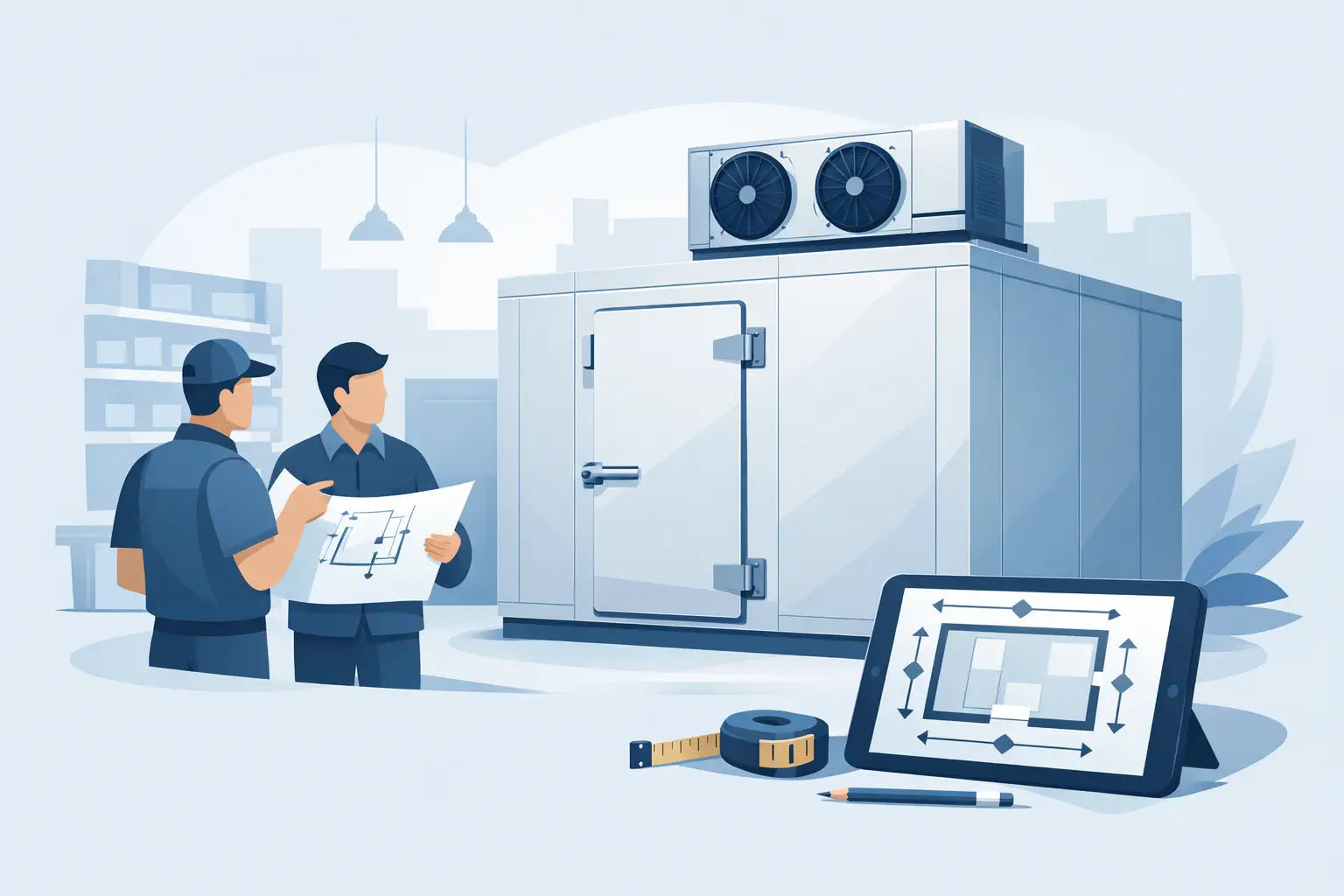
The trade-off is that more specialized refrigeration can mean more units to clean, maintain, and monitor. Before selecting a layout, measure not only the available floor space but also door swing, ventilation clearance, service access, and the actual path employees take during peak production. A refrigerator that blocks the line or forces awkward reaching can undermine the safety benefit it was meant to create.
Warewashing Equipment Is Raising the Standard for Sanitation
Speed and sanitation have to work together. High-temperature dishmachines, booster heaters, effective glass washers, and purpose-built drying or storage solutions help kitchens turn clean wares quickly without compromising the wash process.
Current demand is centered on consistency. Operators want equipment with dependable wash performance, straightforward controls, and enough throughput to prevent staff from reusing items before they are properly cleaned. Temperature verification remains critical, particularly where local requirements call for specific sanitizing conditions. Check local health department rules and the equipment specifications before finalizing a purchase.
Machine performance also depends on the basics: correct detergent and sanitizer setup, maintained filters, proper loading, and regular deliming where water conditions require it. A premium dishmachine cannot compensate for neglected maintenance, but the right machine can make correct procedures faster and easier to repeat.
The Food Safety Equipment Trends Worth Prioritizing
Not every kitchen needs a fully connected equipment package or a major redesign. Priorities should follow the points where your operation is most exposed. Start with the product and process, not the product brochure.
A high-volume pizza operation may gain the most from refrigerated prep capacity, clear ingredient organization, and fast recovery after frequent door openings. A chef-driven restaurant with extensive batch prep may see a stronger return from blast chilling and additional cold storage. A café with a constant stream of dishes may need warewashing throughput before it needs another cooking appliance.
When evaluating equipment, focus on four practical questions:
- Can it maintain the temperatures your menu and service volume demand?
- Does its size, pan capacity, or rack configuration match the way your team actually works?
- Is it easy to clean, access, and maintain without disrupting the kitchen?
- Will its controls and workflow help staff follow safe procedures consistently?
Equipment Cannot Replace a Food Safety System
Advanced equipment can make safe handling more achievable, but it cannot replace trained people and verified procedures. Temperature logs, cleaning schedules, receiving standards, date marking, cross-contamination controls, and maintenance routines still determine whether a kitchen performs reliably day after day.
This is where equipment selection and training should meet. If staff must navigate complicated controls to perform a routine task, adoption may suffer. If a unit has clear settings, accessible surfaces, and capacity that matches demand, the safe choice becomes the convenient choice. That is often the most meaningful improvement an operator can make.
Serious home cooks can apply the same principle on a smaller scale. Choose refrigeration, warming, and cleaning equipment that supports the quantity of food you prepare, particularly when entertaining, smoking proteins, proofing dough, or holding multiple dishes for service. Professional-grade performance is valuable when it creates control, not when it adds unused capacity.
Build for the Next Service, Not Just the Next Inspection
The strongest kitchen upgrades protect more than compliance. They protect product quality, staff confidence, ticket flow, and the consistency guests remember. Start with the temperature-control or sanitation point that creates the most friction today, then choose equipment built to perform there repeatedly.
A safer kitchen is not defined by how much technology it contains. It is defined by how reliably the team can execute the right process, from receiving to the final plate, when every order is on the line.