9 Commercial Kitchen Trends 2026 Buyers Should Watch
A kitchen that worked well in 2023 can feel slow, crowded, and expensive by 2026. That is why commercial kitchen trends 2026 are less about flashy features and more about measurable performance - faster ticket times, tighter food safety control, lower labor strain, and equipment that earns its footprint every day.
For restaurant owners, chefs, and foodservice managers, the shift is practical. Margins are tight, labor remains unpredictable, and guest expectations keep rising. Serious home cooks are pushing in the same direction too, looking for commercial-grade equipment that delivers consistency instead of guesswork. The common thread is simple: buyers want tools built for pressure, volume, and repeatable results.
Commercial kitchen trends 2026 are driven by tighter operations
The strongest equipment trends are coming from operational pressure, not novelty. Kitchens need to produce more in less space, train staff faster, reduce waste, and stay compliant without slowing down service. That changes what buyers prioritize.
A few years ago, adding capacity was often the goal. In 2026, useful capacity matters more than maximum capacity. Operators are asking better questions before they buy. Can this refrigerator recover temperature quickly during a rush? Can this oven handle multiple menu applications without creating bottlenecks? Will this undercounter unit save steps on the line, or just take up room?
That shift favors equipment with clear performance value. Precision temperature holding, faster pull-down times, easier cleaning access, stronger recovery, and dependable output are no longer premium extras. They are becoming baseline expectations.
1. Smaller footprints, higher output
Space efficiency is no longer a design preference. It is a financial decision. Rent, build-out costs, and back-of-house constraints are pushing operators toward equipment that can do more in less square footage.
This is why undercounter refrigeration, compact convection ovens, ventless-friendly solutions where permitted, and multi-use prep stations are gaining attention. A smaller footprint does not mean accepting lower performance. In fact, buyers are looking for the opposite - compact units that still hold temperature, recover fast, and withstand daily abuse.
The trade-off is that tighter equipment layouts require better planning. A compact kitchen can run beautifully if workflow is designed around real production patterns. If it is not, smaller equipment can create congestion fast. The right choice depends on menu mix, service model, and peak-hour volume.
2. Refrigeration is becoming more strategic
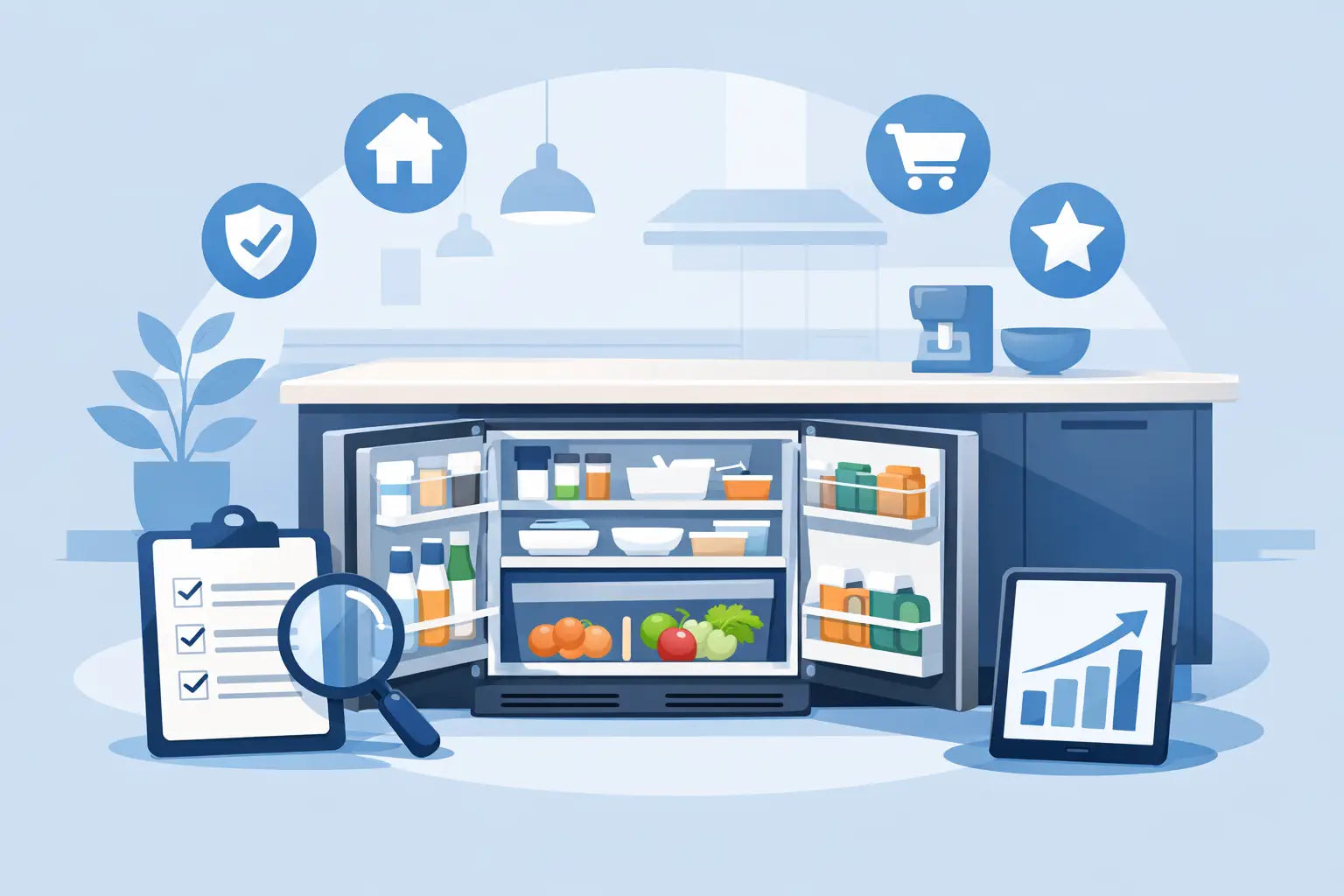
Refrigeration has always been essential, but in 2026 it is increasingly treated as a performance category instead of a background utility. Operators are paying closer attention to temperature stability, product visibility, food preservation, and placement.
That is especially true for undercounter refrigeration and reach-in units positioned near active stations. When ingredients stay within reach and at safe temperatures, kitchens reduce unnecessary movement and protect product quality at the same time. For high-output lines, that matters every shift.
Blast chilling and blast freezing are also seeing stronger interest beyond large institutional settings. More operators are using them to extend shelf life, improve batch prep control, and protect texture in make-ahead production. The upfront investment is higher, but the return can be real when waste reduction and labor planning improve.
3. Precision heat is beating raw heat
One of the most important commercial kitchen trends 2026 buyers should understand is the move from maximum heat to controlled heat. High BTUs still matter in many applications, but precision is what protects consistency.
Chefs and operators want ovens, grills, ranges, steamers, and warmers that hold predictable performance across repeated cycles. If one batch cooks perfectly and the next drifts, the issue is not power. It is control.
This is why convection performance, even heat distribution, stable holding temperatures, and reliable recovery are influencing more purchases. In pizza programs, for example, buyers are comparing not just chamber temperature but bake consistency, throughput, and how easily the oven supports the product style they serve. The same applies to charbroilers, gas ranges, and food warmers. Fast output means little if quality swings from order to order.
4. Equipment that reduces labor strain is moving up the list
Labor shortages are not a temporary buying trend. They are reshaping how kitchens evaluate equipment. In 2026, operators are favoring products that shorten training time, reduce repetitive motion, and make it easier for smaller teams to maintain output.
Mixers with easier controls, dishwashers that simplify sanitation routines, refrigerated prep units that cut steps, and holding equipment that protects quality during service all fit this pattern. The point is not replacing staff. The point is helping available staff work faster and more accurately.
There is an important nuance here. Labor-saving equipment only works when it actually matches the kitchen’s workflow. A machine with advanced features can still slow a team down if cleaning is difficult or controls are confusing. Simplicity remains a competitive advantage.
5. Cleaning access and hygiene design matter more than brochure features
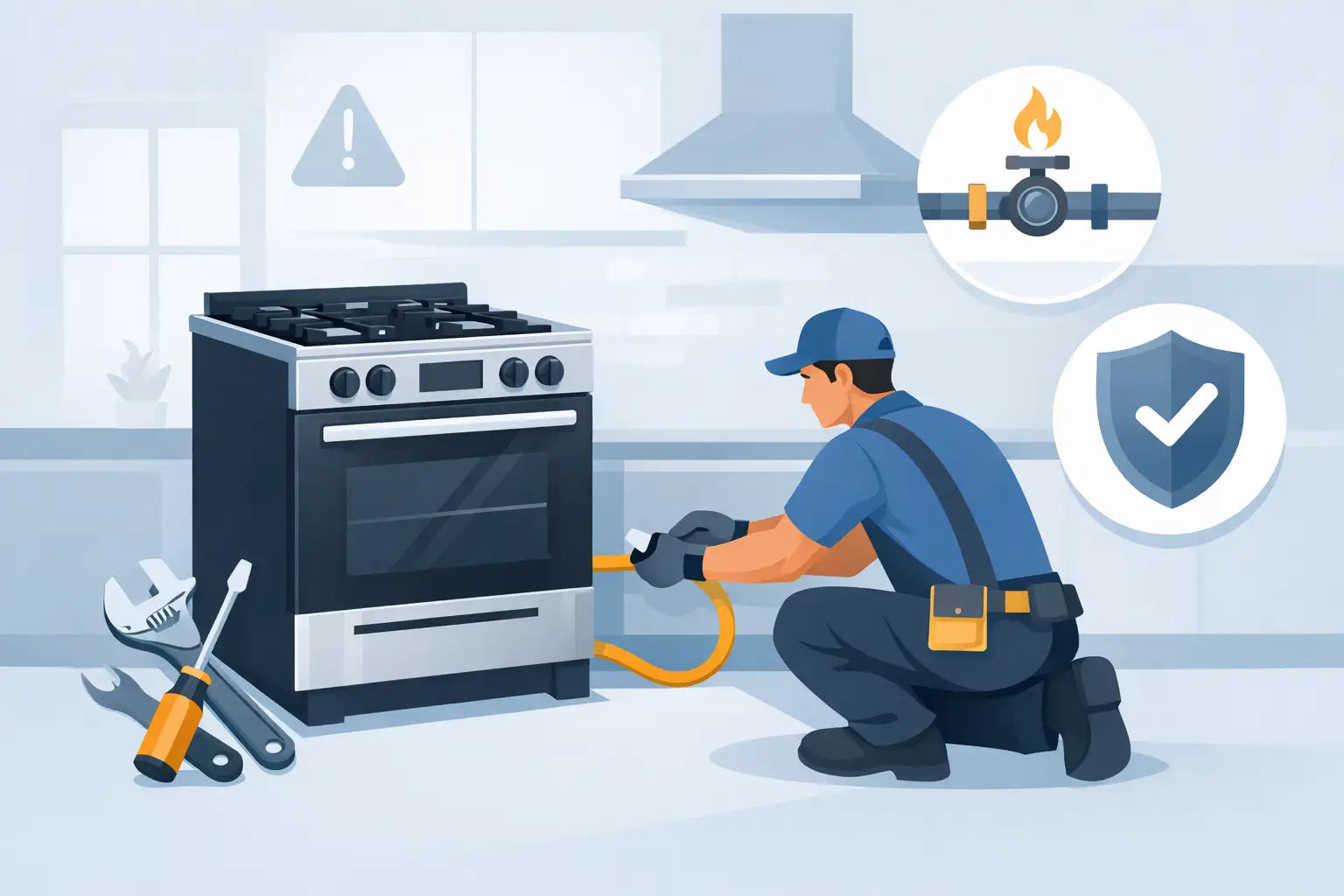
Food safety has always shaped purchasing, but buyers are scrutinizing cleanability more closely now. Surfaces, corners, drainage, removable components, and service access are becoming deciding factors because sanitation failures are expensive and preventable.
This trend is especially visible in refrigeration, dishwashing, prep equipment, and high-contact countertop appliances. Operators are asking whether units can be cleaned thoroughly during a real shift, not just in theory. That is the right question.
A kitchen can own powerful equipment and still lose efficiency if staff spend too much time disassembling parts or working around hard-to-reach areas. In practical terms, easy-to-clean equipment protects labor, uptime, and compliance all at once.
6. Category-specific specialization is growing
General-purpose equipment still has its place, but many operators are investing in more specialized tools where the menu demands it. Pizza ovens, soft serve machines, slushy machines, curing equipment, and outdoor cooking equipment are all examples of categories where specialization can create a better product and a stronger margin.
This trend is not about collecting niche equipment for the sake of it. It is about recognizing where precision creates a competitive advantage. A dedicated pizza oven can produce results that are difficult to replicate with a general oven. A proper soft serve machine can support consistency and speed that matter during high-volume service.
The caution is obvious: specialized equipment needs enough demand to justify its footprint, cleaning requirements, and maintenance cycle. For some operators, versatility wins. For others, category excellence pays for itself quickly.
7. Outdoor and off-premise production are influencing equipment choices
Not every kitchen trend starts indoors. Outdoor service models, patio programs, event-driven catering, and hybrid hospitality formats are pushing demand for equipment that performs reliably beyond a traditional line.
That includes outdoor kitchen equipment designed for durability, mobility, and weather-conscious use, but it also affects indoor purchases. Operators increasingly want equipment that supports prep for transport, holding for delayed service, and flexible production across different service environments.
This is one reason durable food warmers, refrigeration that protects product during staging, and compact high-output cooking equipment are staying relevant. The kitchen is no longer judged only by what happens at the pass. It is judged by how well it supports the full service model.
8. Buyers are thinking more about lifecycle value
Price still matters, but there is a noticeable move away from lowest-cost buying. More operators are evaluating equipment based on reliability, maintenance burden, output consistency, and expected lifespan.
That is a healthy shift. A cheaper unit that fails under daily demand is rarely a bargain. Neither is oversized equipment that burns energy and occupies premium floor space without contributing enough production value.
Lifecycle thinking also affects serious home buyers who want commercial-grade results. Many are choosing professional equipment because they would rather buy once and buy correctly than cycle through consumer-grade appliances that cannot hold up under ambitious use.
For a retailer like Culinary Precisions, this is where specification-driven guidance matters. Buyers do not just need products. They need confidence that the product fits the workload.
9. The smartest kitchens are built around consistency
If there is one theme connecting commercial kitchen trends 2026, it is consistency. Not trend-chasing. Not gadget collecting. Consistency.
Consistency in holding temperature. Consistency in bake quality. Consistency in sanitation. Consistency in prep timing. Consistency in recovery during rush periods. Operators are investing where those gains are easiest to measure because consistency protects both reputation and margin.
That makes equipment selection more strategic than ever. A great buying decision is not simply about the newest model. It is about matching the equipment to your menu, your volume, your staffing reality, and your physical space. Sometimes the right move is a high-capacity oven. Sometimes it is adding undercounter refrigeration at the station that loses the most time every shift. Sometimes it is a blast freezer that saves product and stabilizes prep.
The kitchens that perform best in 2026 will not necessarily be the ones with the most equipment. They will be the ones where every piece of equipment has a clear job, supports the flow of service, and delivers dependable results under pressure. If you are planning upgrades this year, that is the standard worth buying toward.