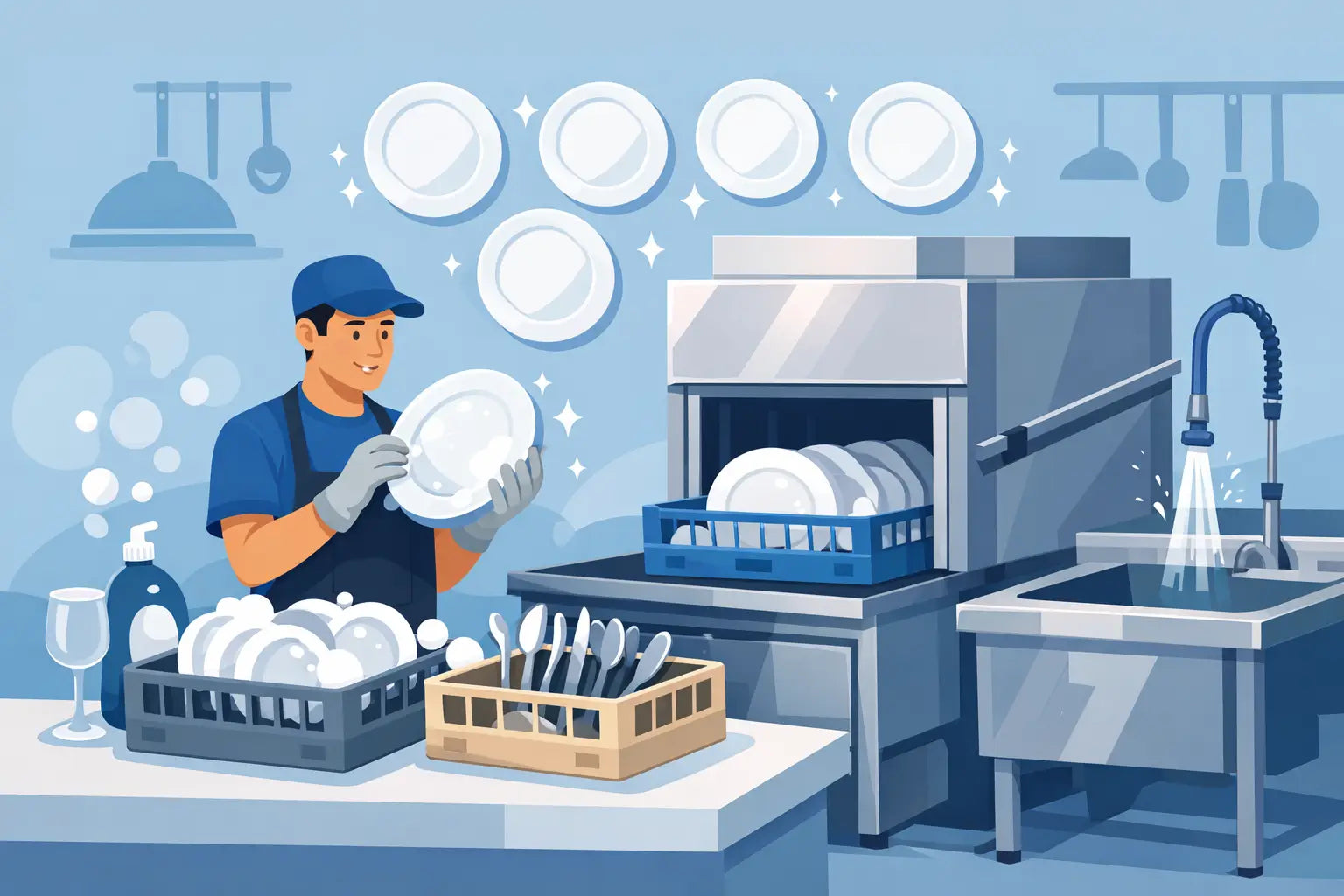
8 Best Restaurant Dish Washers to Buy
A dinner rush will expose a weak dish machine faster than almost any other piece of equipment in the kitchen. When racks stack up, glassware runs short, and clean plates become the bottleneck, choosing the best restaurant dish washers stops being a procurement task and becomes an operations decision.
For restaurant owners, chefs, and kitchen managers, the right unit is not simply the one with the lowest upfront price. It is the one that matches your volume, fits your layout, supports sanitation standards, and keeps labor moving at service speed. That is where many buying decisions go wrong. A machine can be powerful on paper and still be the wrong fit for your line, your staff, or your peak-hour demand.
What makes the best restaurant dish washers?
The best restaurant dish washers balance four things well: throughput, cleaning performance, operating cost, and durability. If one of those falls short, the machine will eventually slow the kitchen down or raise costs in places that are easy to miss at purchase time.
Throughput matters first. A small cafe with light breakfast service does not need the same output as a full-service restaurant turning tables all night. If your machine cannot keep pace with the busiest 60 to 90 minutes of service, the whole back of house feels it. That usually shows up as staff waiting on clean wares, rushed rewashing, or extra inventory purchases just to cover slow dish turnover.
Cleaning performance is just as critical. Commercial dishwashing is about more than visible cleanliness. The machine must remove grease, food residue, and film consistently while supporting proper final-rinse sanitizing temperatures or chemical sanitizing requirements. If results vary by load, staff will spend time sorting, rewashing, and checking pieces by hand.
Operating cost is where trade-offs start to matter. Lower water use and shorter cycle times can reduce utility expense, but only if the unit still delivers dependable wash results. Some kitchens benefit from a higher-efficiency model because they run loads continuously. Others may not see enough daily volume to justify paying more for top-tier efficiency features.
Durability separates equipment built for occasional use from equipment built for pressure. Stainless steel construction, dependable pumps, easy-to-replace components, and serviceable internal layouts all matter. A dish machine is one of those purchases where reliability often saves more than bargain pricing ever will.
The main types of best restaurant dish washers
There is no single best style for every operation. The strongest choice depends on service volume, available space, utility setup, and how your team works during peak periods.
Undercounter dish washers
Undercounter models are a practical fit for coffee shops, bars, bakeries, food trucks with commissary support, and small restaurants with limited warewashing demand. They save space and can be installed close to the point of use, which helps streamline workflow in tight kitchens.
Their biggest advantage is footprint. If square footage is expensive, an undercounter machine can give you commercial sanitizing performance without dedicating a full dish area. The limitation is output. These machines are not designed for nonstop heavy-rack turnover. If your staff is constantly waiting on clean plates or pans, you have likely outgrown this category.
Door-type or hood-type dish washers
For many independent restaurants, a door-type machine hits the best balance between capacity and space efficiency. These units handle significantly more volume than undercounter models and work well with straight or corner dish tables for a more organized wash-rinse-sanitize flow.
This style fits operations that need stronger output without stepping into conveyor-level scale. The workflow is also easier to train around. Staff can load racks quickly, cycle them consistently, and maintain a steady pace through service. If your operation serves lunch and dinner with moderate to high traffic, this is often the category to evaluate first.
Conveyor dish washers
Conveyor machines are built for high-volume kitchens such as cafeterias, hotels, banquet operations, institutional foodservice, and large restaurants with sustained dish loads. They are designed for speed, consistency, and continuous rack movement.
The advantage is obvious - they keep wares moving when the volume would overwhelm a smaller machine. The trade-off is cost, space, and utility demand. A conveyor unit only makes sense if your kitchen truly needs that level of throughput. In a smaller operation, it can be more machine than you need and more overhead than you want.
Glass washers and specialty units
Bars, breweries, cafes, and beverage-focused operations often need dedicated glass washing performance. Glassware is less forgiving than plates. Water spots, residue, and breakage all affect presentation and service quality.
A specialized glass washer can protect delicate items and improve turnaround behind the bar. In some operations, that means pairing a general dish machine with a separate glass unit rather than forcing one machine to do every job.
How to choose the best restaurant dish washers for your kitchen
The best buying decisions start with your busiest shift, not your average day. Average volume hides problems. Peak demand reveals them.
Measure real throughput needs
Count racks, not just meals served. A steakhouse with heavy plate turnover, prep pans, and bar glassware may need more dish capacity than a quick-service concept with disposable packaging. Think about plates, utensils, hotel pans, sheet pans, glasses, and cookware as separate demands on the same machine.
If your kitchen already struggles during rush periods, choose for the bottleneck you have now and the growth you expect next. Buying too small usually costs more than buying slightly ahead of current demand.
Match the machine to your layout
A powerful machine will still underperform if your dish area is poorly organized. You need room for dirty drop-off, scrap and pre-rinse, rack staging, clean unloading, and drying. Tight layouts create traffic, slow labor, and raise the chance of cross-contamination.
This is one reason door-type units are so popular. They often fit more naturally into a disciplined warewashing line than either very small undercounter units or much larger conveyor systems.
Check utilities before you buy
Dish washers demand more than floor space. You need the right electrical configuration, water supply, drainage, and often ventilation depending on local code and machine type. High-temp models also depend on proper booster heater performance to reach sanitizing temperatures.
This is not the glamorous part of buying equipment, but it is where expensive installation surprises happen. Confirm utility requirements early and compare them against your building conditions before you commit.
Decide between high-temp and chemical sanitizing
High-temp machines use hot water for final-rinse sanitizing and are often preferred for strong cleaning performance and reduced chemical odor. Chemical sanitizing units can lower some utility demands and may fit sites where hot water capacity is limited.
There is no universal winner. High-temp systems can offer strong operational confidence, but they require the right water heating support. Chemical systems may simplify some installations, but they add ongoing chemical management and can be less appealing in certain kitchen environments. The right answer depends on your setup, local requirements, and labor habits.
Features worth paying for
Not every premium feature delivers equal value. The best restaurant dish washers justify their cost by improving speed, consistency, or maintenance performance in a measurable way.
Short cycle times matter when dish turnover is holding up service. Double-wall insulation helps reduce noise and retain heat, which can improve the working environment in smaller spaces. Built-in deliming cycles and easy-clean filters save labor and support machine longevity. Clear controls and simple diagnostics also help because equipment that confuses staff usually gets used poorly.
Auto-fill, pumped drain systems, and rinse pressure consistency can also make a real difference depending on installation conditions. What matters most is whether the feature solves an actual problem in your kitchen. If it does not improve output, sanitation, or uptime, it may not be worth the premium.
Common buying mistakes
The most common mistake is underestimating volume. Operators often buy for current quiet periods and assume staff can work around limitations during rushes. They usually can, but at the cost of labor strain, slower service, and inconsistent sanitation habits.
Another mistake is focusing only on machine price. A lower-cost unit that uses more water, takes longer per cycle, or fails under heavy use is rarely the better value. Ownership cost includes utilities, downtime, maintenance, and the labor impact of slow warewashing.
Some buyers also overlook serviceability. Even a well-built machine needs maintenance. Access to components, replacement parts, and support matters. Culinary Precisions serves buyers who want commercial equipment built for performance, but the strongest results still come from matching the unit to the operation, not chasing specs in isolation.
Which type is best for your operation?
If you run a small cafe, bar, or compact kitchen, an undercounter commercial dish washer may be the right call. If you operate a busy independent restaurant with steady plate and pan volume, a door-type machine is often the best all-around choice. If your kitchen handles nonstop high-volume service, a conveyor system will likely deliver the throughput you need.
That answer is less about chasing the biggest machine and more about protecting speed, sanitation, and consistency under pressure. The best restaurant dish washers are the ones that disappear into the workflow because they keep up, clean thoroughly, and stay dependable when the kitchen is working hard.
Before you buy, picture your busiest hour, your tightest corner, and your most overworked dish station employee. The right machine should make all three easier to manage.