7 Best Patio Gas Grills for Serious Outdoor Cooking
A patio grill earns its place long before the first steak hits the grates. It shapes how quickly a chef can move from prep to fire, whether a host can cook for twelve without crowding the surface, and how much control remains when wind, weather, and a full menu enter the picture. The best patio gas grills are not simply the biggest or most powerful models. They are purpose-built heat systems that match the way you cook, serve, and gather.
For a residential outdoor kitchen, that may mean a refined built-in grill with even burner response and a finish worthy of the surrounding stonework. For a restaurant patio, club, hotel, or catering operation, it may mean commercial-grade construction, recoverable heat, generous capacity, and components that can withstand a demanding service rhythm. The right choice begins with the fire line, then works outward to space, fuel, materials, and workflow.
What Makes the Best Patio Gas Grills Different
Gas grills are often judged by BTUs alone. That figure matters, but it is only one measure of performance. A high BTU rating packed into a poorly designed firebox can produce flare-ups and uneven zones. A well-engineered grill distributes burner output across the cooking surface, protects the burners from drippings, holds heat when the lid opens, and gives the operator a useful range between gentle roasting and hard searing.
Look first at the relationship between burner configuration and cooking area. Multiple independently controlled burners create distinct heat zones: a direct zone for burgers and chops, a cooler area for vegetables or delicate fish, and a covered section for finishing thicker cuts. On a busy patio, that flexibility is more valuable than a single oversized burner running at full force.
Construction tells the other half of the story. Heavy-gauge stainless steel, welded seams, substantial cooking grates, and a tightly fitted hood retain heat and stand up to repeated use. They also create a more composed cooking experience. The lid closes with assurance, the controls respond predictably, and the grill does not feel overwhelmed when the menu expands beyond a few quick items.
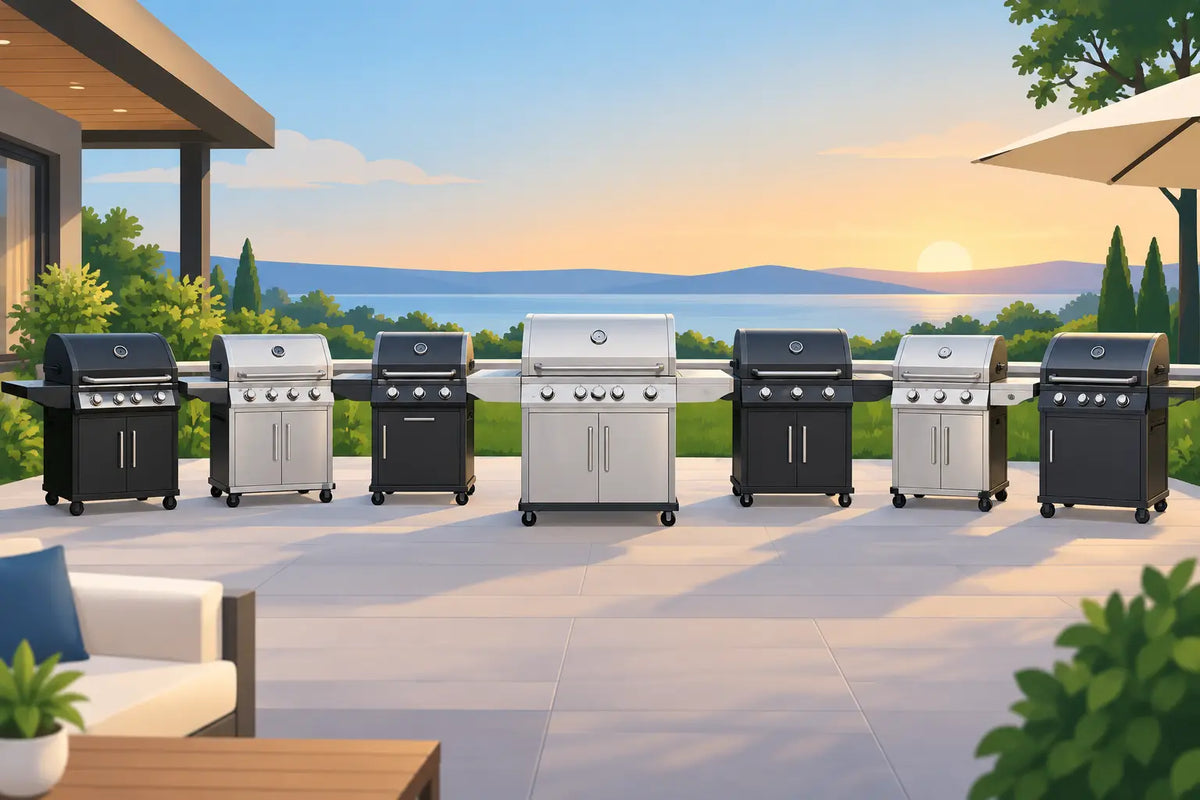
Seven Grill Formats Worth Considering
1. The compact two-burner grill
A compact grill is the right answer when the patio is intimate, the household is small, or grilling supports rather than anchors the meal. Two burners can still create an effective direct and indirect setup, especially with a properly sized hood and quality heat diffusers.
Choose this format for weeknight cooking, apartment terraces where permitted, poolside service stations, or a secondary grill beside a pizza oven. The trade-off is straightforward: less surface area means more batches when entertaining. It is ideal for precision over volume, not for feeding a crowd all at once.
2. The three-burner all-purpose grill
For many serious home cooks, a three-burner configuration is the most balanced choice. It offers enough room to sear proteins, hold food away from the flame, and cook sides without turning the grill into a sprawling piece of equipment.
This is the dependable center of an outdoor kitchen. A three-burner model suits families who host regularly and cooks who want real zone control without committing to a large built-in installation. Prioritize a deep firebox, solid grates, and controls spaced far enough apart to make adjustments with a gloved hand.
3. The four- or five-burner entertaining grill
A larger freestanding or built-in grill changes the pace of hospitality. With broad cooking space and several independently managed burners, the cook can handle a full spread at once: chicken on one side, corn and peppers at center, sausages held warm under the lid, and steaks moving toward the hottest zone.
This is often one of the best patio gas grills for frequent hosts because it protects the flow of the evening. No one waits through three rounds of cooking, and the person at the grill remains part of the gathering rather than stuck in a production bottleneck. Measure carefully, including lid clearance, walkways, nearby counters, and a protected landing space for hot trays.
4. The built-in gas grill head
A built-in grill head is less an appliance than a permanent station in a considered outdoor kitchen. It belongs in layouts where prep counters, refrigeration, storage, and seating have been planned around cooking as an experience. The clean integration is compelling, but the installation must be equally deliberate.
Confirm the cutout dimensions, ventilation requirements, utility routing, and required clearances before selecting a unit. A built-in grill cannot simply be enclosed in cabinetry. The surrounding structure must support safe heat dissipation and provide access for service. When properly planned, the result is a refined heatline with the durability and visual order serious outdoor cooking deserves.
5. The infrared searing grill
Infrared burners are designed for intense, focused heat. They can develop the dark, savory crust associated with steakhouse cooking while reducing preheat time. Used well, they are exceptional for steaks, chops, scallops, and other foods that benefit from a rapid exterior sear.
Their limitation is range. Infrared heat is not automatically better for every task, particularly delicate vegetables, slow-roasted poultry, or foods prone to scorching. The most useful configurations pair an infrared burner with conventional burners, allowing the cook to sear hard, then move food to a gentler zone to finish with control.
6. The grill with a rotisserie system
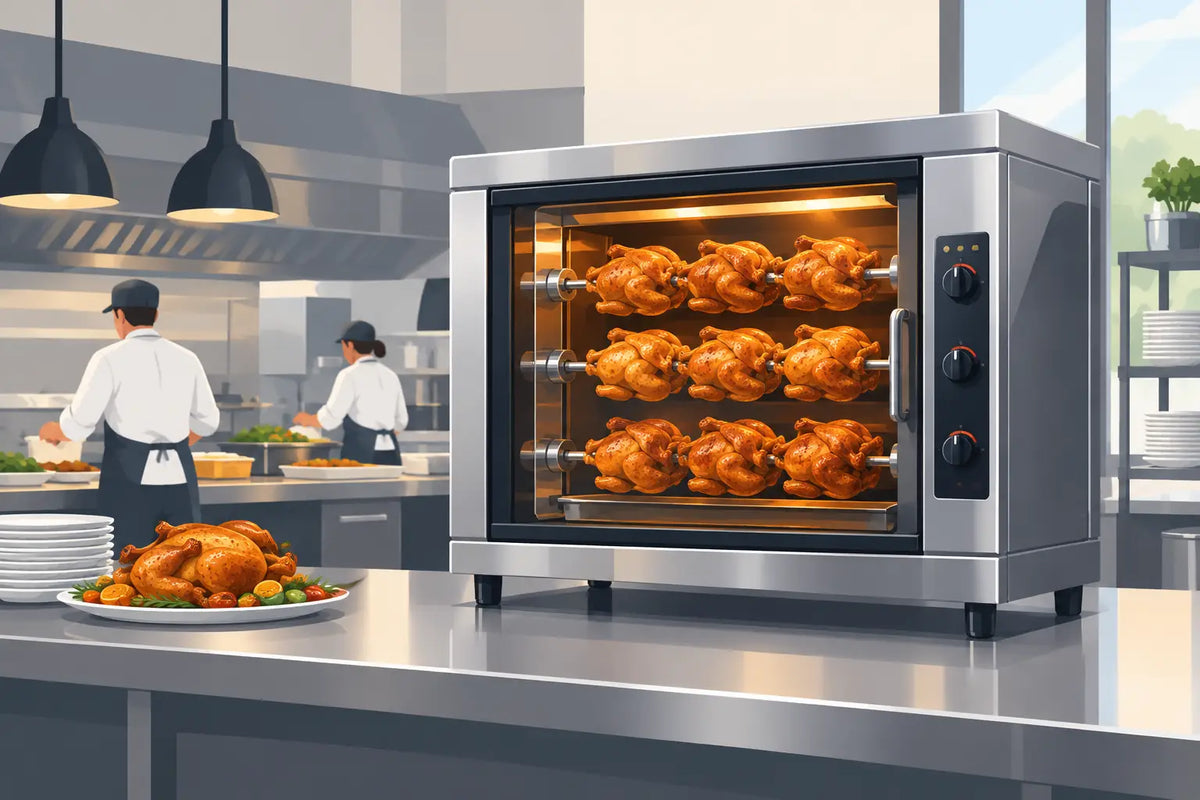
A rotisserie expands a grill from a searing platform into a live-fire roasting station. Poultry bastes itself as it turns, porchetta develops a burnished exterior, and larger roasts cook with a particularly appealing combination of crisp surface and tender interior.
For home entertaining, the rotisserie creates theater without requiring constant attention. For hospitality patios, it can become part of the guest experience. Look for a strong motor, secure spit forks, an infrared rear burner where available, and enough hood depth to accommodate the food you intend to roast. A rotisserie is only useful when the geometry of the grill supports it.
7. The commercial outdoor charbroiler
For operators serving a patio menu at real volume, a commercial outdoor charbroiler may be the more appropriate tool. These units are designed around throughput, recoverable heat, and repeatable output, rather than convenience features. They can handle a rush of burgers, chicken, vegetables, and skewers with the firm heat response needed to keep tickets moving.
Commercial equipment requires a more disciplined approach to installation, fuel supply, cleaning, and local code compliance. It may not offer the polished cabinetry integration of a luxury residential grill, but it brings a different kind of value: the ability to work hard through service. Restaurants, bars, resorts, and caterers should evaluate it according to menu volume and operating conditions, not residential grill conventions.
Choose Fuel and Installation Before Finishing Details
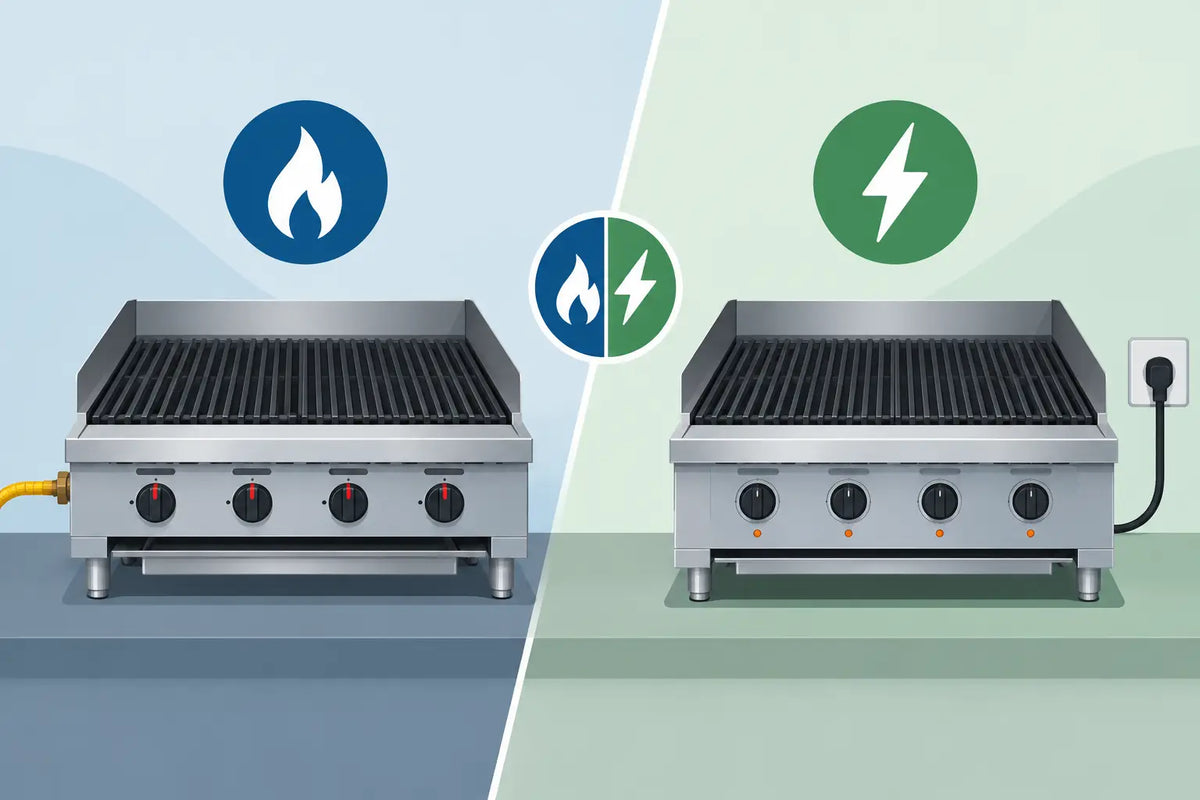
Propane offers placement flexibility. A tank-powered grill can be positioned where it best serves the patio, and it is often the practical choice for freestanding units or sites without a gas line. The operating rhythm includes checking fuel levels and keeping a spare tank ready before an event or service.
Natural gas removes that interruption. It provides a continuous fuel supply and is especially suited to permanent built-in installations. However, a natural gas grill must be matched to the available gas supply and installed by a qualified professional. Do not assume a propane model can be converted, or that every conversion kit is approved for every grill. The manufacturer’s specifications and local requirements should guide the decision.
Whether propane or natural gas is right depends on permanence, site infrastructure, and how often the grill is used. A beautiful outdoor kitchen loses its ease quickly if the fuel plan was an afterthought.
Materials That Hold Their Ground Outdoors
Stainless steel remains the preferred material for most premium patio grills because it is durable, cleanable, and visually at home in both contemporary and traditional settings. Yet stainless grades, thicknesses, weld quality, and component design vary. Focus on the parts exposed to the most punishment: hood, firebox, burners, grates, grease system, and control panel.
Cooking grates also influence results. Thick stainless grates are durable and relatively easy to maintain. Cast iron stores heat aggressively and creates strong grill marks, but requires more attentive care. Ceramic-coated options can simplify cleanup, though the coating must be protected from chips and harsh treatment. There is no universal winner. Select the grate material that suits your maintenance habits as much as your preferred cooking style.
A practical grease-management system matters more than its modest appearance suggests. It should guide drippings away from burners, be reachable without dismantling the grill, and use a tray or pan that is simple to empty. Neglected grease is a performance problem and a safety concern.
Size the Grill for the Work, Not the Wish List
A grill should feel generous during a normal cook, not only during the annual holiday party. Consider what you actually make: eight burgers and vegetables, two racks of ribs with indirect heat, a whole chicken on a rotisserie, or a patio menu during a sustained dinner rush. Then allow room for tongs, trays, cooked food, and a cooler zone where ingredients can rest without overcooking.
For built-ins, plan the complete workstation. A grill needs adjacent counter space, storage below, task lighting, and enough clear floor area for safe movement. Outdoor refrigeration, a sink, or a dedicated prep surface may deliver more day-to-day usefulness than adding another burner. Good design gives heat a place to work.
A Final Thought Before You Buy
The most satisfying patio grill is the one that makes you want to cook outside more often: confident enough for a full table, precise enough for a single perfect chop, and built to remain steady through season after season. Choose the fire system that fits your menu and space, then give it the support of a well-planned outdoor workspace. That is where equipment becomes hospitality.