11 Foodservice Equipment Buying Tips
A kitchen usually tells you what it needs long before the equipment fails. The line gets crowded during rush, recovery times drag, cold storage runs tight, or one underpowered unit starts slowing down the whole operation. That is where smart foodservice equipment buying tips matter most - not at the point of checkout, but at the point where performance, safety, and daily output are on the line.
For restaurant owners, chefs, foodservice managers, and serious home cooks building a high-performance setup, the best purchase is rarely the biggest or cheapest machine. It is the one that matches your menu, your volume, your utility capacity, and your pace of service. When equipment is chosen with precision, it supports consistency, protects margins, and gives the kitchen room to perform under pressure.
Foodservice equipment buying tips start with the menu
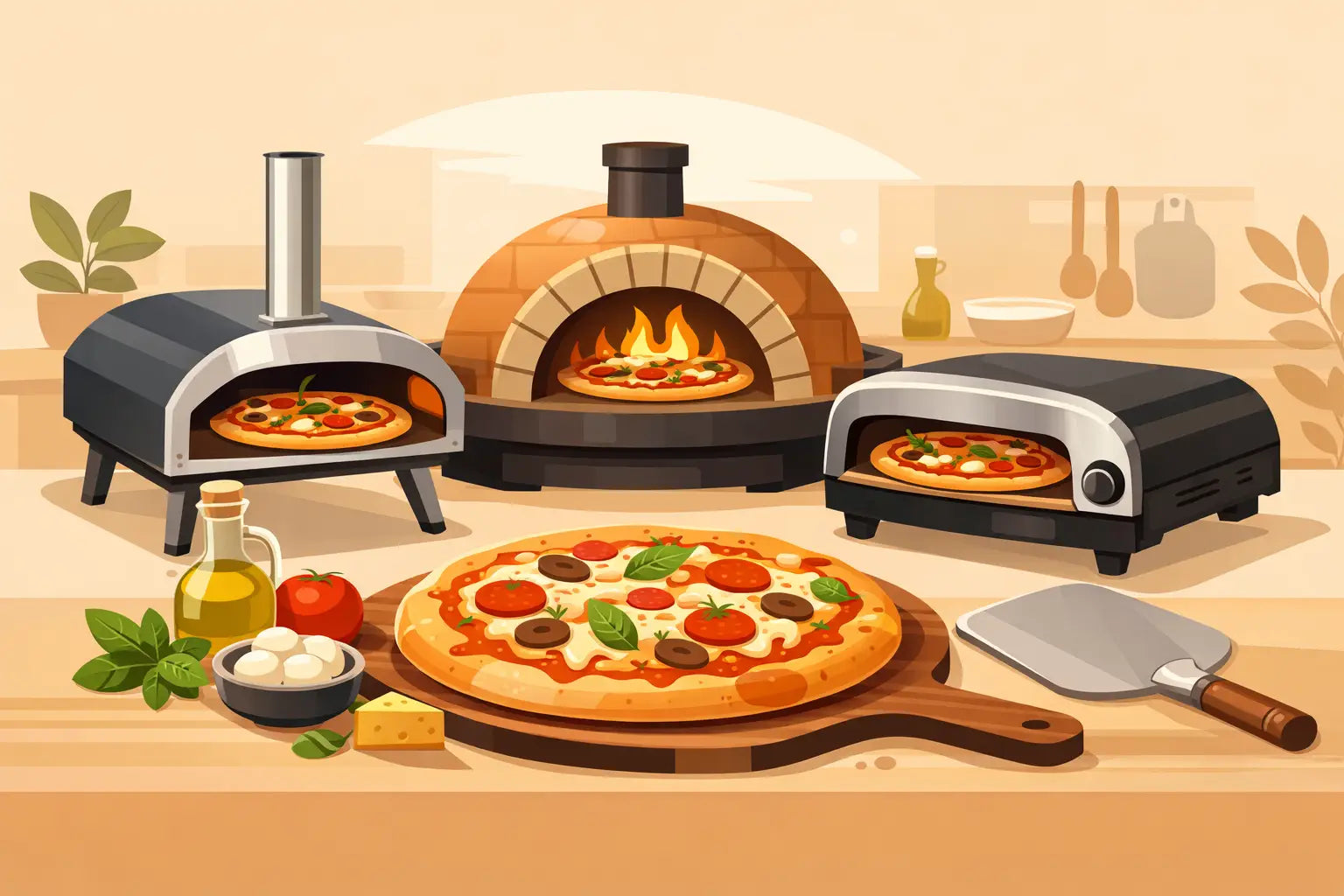
The menu should make the first decision. Before comparing brands, finishes, or price points, look at what the kitchen actually produces and how often it produces it. A pizza operation has very different demands than a bakery, a bar with frozen beverages, or a commissary handling chilled prep and high-volume holding.
This sounds obvious, but many buyers still shop by category before they shop by production need. A convection oven that looks like a good value can become the wrong investment if your operation really needs a deck oven for bake quality or a combi-style solution for versatility. The same goes for refrigeration. Reach-in capacity, undercounter access, and temperature recovery matter differently depending on how ingredients move through the line.
If a piece of equipment does not directly improve execution of core menu items, it may be a distraction instead of an upgrade.
Size for peak demand, not average days
One of the most useful foodservice equipment buying tips is to size equipment around your busiest periods. Average demand is comfortable on paper, but kitchens do not succeed during average hours. They succeed during lunch rushes, weekend spikes, catering prep, holiday service, and seasonal surges.
Undersized equipment costs more than it saves. A mixer that struggles with batch volume slows prep. A refrigerator packed past its intended capacity loses airflow. A griddle that cannot keep up with ticket volume creates bottlenecks that spread across the line.
That said, oversizing has its own trade-offs. Larger units take floor space, increase utility demand, and can reduce efficiency if they are consistently underused. The right target is enough capacity to protect service without paying for idle performance you do not need.
Measure the space like a working kitchen, not an empty room
Equipment dimensions are only the starting point. What matters is how the unit fits into workflow, clearance requirements, door swing, ventilation needs, cleaning access, and staff movement.
A refrigerator may fit the footprint and still fail the room if the door blocks a prep station. A range may technically install in place but leave too little landing space for safe handling. An outdoor cooking setup may look ideal until exposure, fuel access, or service pathways are considered.
Think in terms of operating space, not just installation space. Good kitchens are designed for movement, sanitation, and speed. If a new unit interrupts any of those, the cost shows up every shift.
Utility requirements can make or break the purchase
This is where buyers often lose time and money. A high-performance appliance is only high-performance if the site can support it. Gas type, electrical phase, voltage, amperage, water supply, drainage, and ventilation all need to line up before the order is placed.
A dish machine without the right water conditions may not deliver the results you expect. A soft serve machine or slushy machine may require dedicated electrical capacity. A blast freezer, convection oven, or steamer may demand more from the site than the old unit ever did.
Always confirm utility requirements against the location, not assumptions based on the previous setup. Replacement purchases are where mistakes happen most often because buyers expect the new model to behave exactly like the old one.
Prioritize recovery time and consistency
Speed matters, but consistency is what protects quality. In commercial kitchens, equipment is judged by how it performs after repeated use, not how it looks on a product page.
That means asking better questions. How quickly does the oven recover after the door opens during service? Can the refrigerator maintain temperature when staff access it constantly? Will the food warmer hold product safely without compromising texture? Can the grill or charbroiler produce the same result across the entire cooking surface?
These are performance questions, and they are more valuable than headline specs alone. The right unit should help the kitchen produce repeatable results with less correction, less waiting, and less guesswork.
Cleanability is a performance feature
Equipment that is difficult to clean becomes a labor issue, a food safety issue, and eventually a maintenance issue. Smooth surfaces, accessible interiors, removable components, and smart drainage design all contribute to better sanitation and faster turnaround.
This is especially important for refrigeration, soft serve machines, warmers, mixers, steamers, and dishwashing equipment. In high-use environments, every extra minute spent cleaning adds up across the week. More importantly, hard-to-clean equipment invites inconsistent hygiene practices when teams are under pressure.
A lower upfront price can lose its appeal quickly if cleaning takes too long or requires frequent disassembly. In a serious operation, hygienic design supports both compliance and speed.
Durability should match the intensity of use
Not every kitchen needs the same build level. A full-service restaurant pushing volume all week needs different durability than a seasonal concept, a church kitchen, or a serious home setup with commercial ambitions.
This is where buyers should be honest about actual use. Stainless steel construction, reinforced components, heavy-duty motors, and commercial-grade controls are worth paying for when equipment runs hard every day. If usage is lighter, there may be room to balance performance and budget differently.
The goal is not to buy the most expensive machine in the category. It is to buy the one built for your operating reality. Equipment that is overmatched by production demands will cost you in downtime, repairs, and inconsistent output.
Think beyond purchase price
Low price gets attention. Total cost of ownership is what matters.
A cheaper unit may consume more energy, require more maintenance, recover more slowly, or wear out sooner under pressure. A better-built machine may cost more upfront but save labor, reduce product loss, and deliver a longer service life. For refrigeration and hot holding equipment especially, efficiency and dependable temperature control can have a direct effect on food quality and operating cost.
Shipping, installation, ventilation changes, accessories, and replacement parts also belong in the budget conversation. When buyers focus only on sticker price, they often underestimate the real cost of getting a piece of equipment ready for daily use.
Serviceability matters after the excitement is gone
Every piece of equipment becomes a service question eventually. When that day comes, what matters is how quickly the issue can be diagnosed, how available parts are, and how much disruption the downtime creates.
Before buying, consider whether the unit comes from a manufacturer with dependable support and straightforward parts access. Simpler service procedures can be a real advantage in busy operations, especially for essential equipment like refrigerators, ranges, ovens, and dish machines.
For online buyers, this is one reason a trusted retailer matters. Culinary Precisions serves operators who need specification-driven equipment backed by clear support and a dependable buying experience, which becomes more valuable when the stakes are high.
Match features to your staff, not just your wish list
Feature-rich equipment can improve control and output, but only if the team uses it correctly. Programmable settings, digital controls, and advanced holding or cooking modes are powerful when staff training supports them. If not, those same features can create confusion, inconsistency, or avoidable errors.
The best choice is often the one that gives your team the level of control they can use confidently every day. For some operations, that means advanced precision. For others, it means durable simplicity with fewer points of failure.
A good buying decision respects both ambition and execution.
Plan for growth, but be realistic
Many operators buy equipment for the business they expect to have in a year. That can be smart, especially when a menu expansion or second revenue stream is already taking shape. A larger mixer, additional undercounter refrigeration, or a more capable oven may prevent an expensive upgrade later.
But growth planning should be grounded in evidence, not optimism alone. If expansion is uncertain, flexible equipment often makes more sense than specialized equipment with narrow use. Multi-purpose performance usually gives smaller and growing operations more protection.
Final checks before you buy
Before placing the order, revisit four practical questions. Does the equipment support your top-selling menu items? Can your space and utilities handle it correctly? Will it improve speed, consistency, safety, or storage in a measurable way? And can your team clean, operate, and maintain it without friction?
If the answer to those questions is yes, you are buying with purpose instead of reacting to a short-term problem. That is how strong kitchens are built - one smart decision at a time, with equipment chosen not for appearance, but for the work it needs to do tomorrow morning.